
As a teacher, you know April Fools’ Day at school can be either chaos or magic. It depends on who’s calling the shots.
If you’re going to lean in on this holiday, make it worth your while. These April Fools’ Day activities keep the energy high and the learning real. That way, you can have fun without blowing up your pacing guide.
Jump to:
Key takeaways:
April 1 doesn’t need a full lesson overhaul. Sometimes you just need something fast that feels different. A short warm-up gives students the fun they expect while keeping you in control.
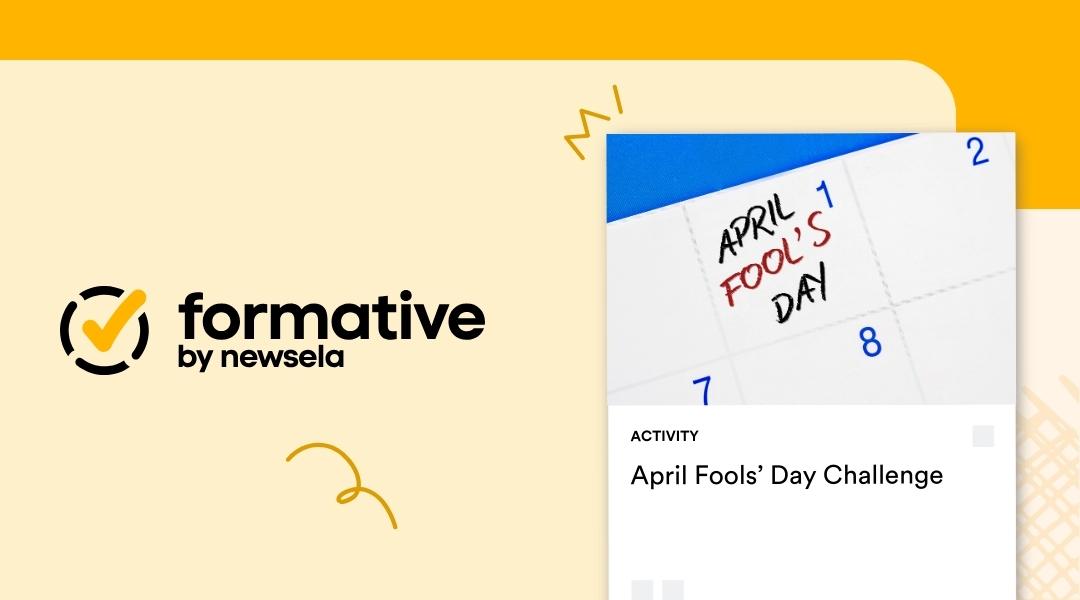
A good April Fools’ Day trivia challenge builds curiosity. It feels playful without leading to random guessing. Students think they’re just playing along, but you know they’re practicing critical thinking.
To make it smooth and structured, use our April Fools’ Day Challenge. This activity lets you collect instant student responses and spark discussion without losing momentum. You’ll keep the vibe light and the room engaged, a win-win.
Key takeaways:
You might wonder how you can weave April Fools’ Day content into math. It’s easier than you think. Students will expect a joke, so give them one. Just make it academic.
A pattern-based prank works because it feels mysterious. Couple that with the 6-7 trend, and you’ll have your students actually excited to solve math problems.
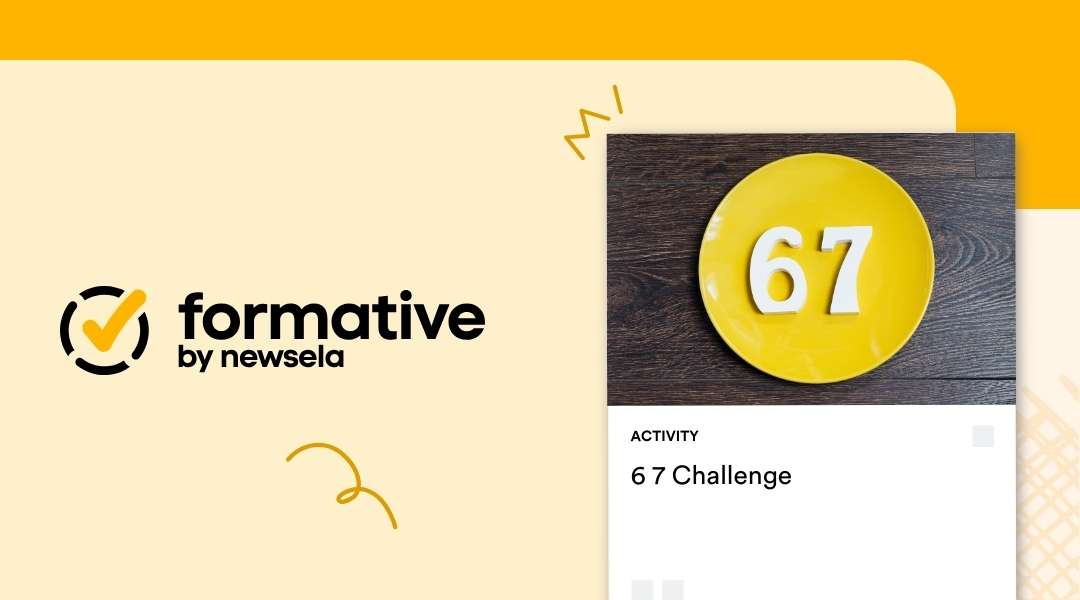
To really trick your students this April Fools’ Day, try an activity where every answer includes the numbers 6 and 7. Students may catch on slowly, or even second-guess their answers, but they’ll be practicing computation the entire time.
With our 6 7 Challenge, you can present problems that look normal at first glance and watch students try to spot the pattern. Use live response data to guide the discussion and then reveal the twist once everyone’s drawn in.
Key takeaways:
If you’ve got a classroom full of puzzle fans, these are the activities for you. Give students a mission, add some mystery, and watch everyone get locked in. With a structured lesson, you can fuel excitement without side conversations and distractions taking over.
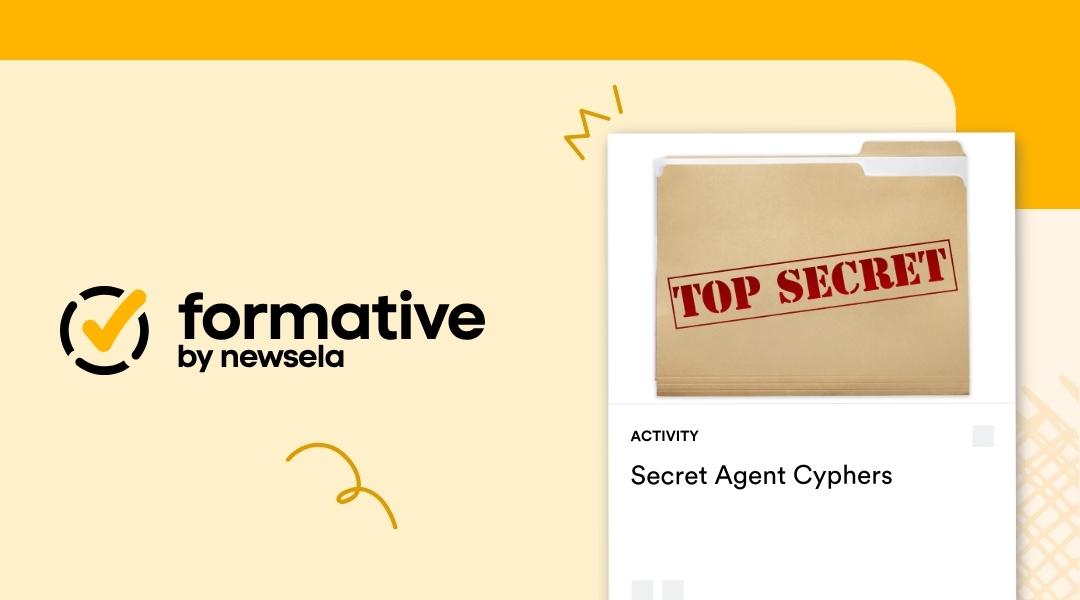
Cypher activities can feel like pranks without actually being pranks. Students will think they’re cracking codes, but they’re also practicing vocabulary, inferences, and logical reasoning.
To build momentum without chaos, use our Secret Agent Cyphers activity. It lets students solve wordplay puzzles and simple Caesar ciphers to unlock keywords and clues. This 10-20 minute mission-style challenge pushes students to reveal the final secret passphrase and crack the code!
Key takeaways:
April Fools’ Day is all about tricks, luck, and belief. You can use activities to keep the tone light but stretch students’ thinking. Try an activity that asks students to consider “Why do people believe what they believe?”

Though April Fools’ Day isn’t as superstitious a holiday as Friday the 13th, there’s still some luck, charm, and wonder woven throughout its history. Try a cultural activity that puts superstitions at the forefront of your discussions.
To build understanding around these topics, try our Superstitions Around the World: Luck and Omens activity. Students will explore global superstitions related to luck and omens, compare cultural beliefs, and practice analysis and reasoning.
April Fools’ Day shouldn’t derail your classroom plans, but you shouldn’t have to ignore it either. You can lean into the energy and still move learning forward. Short, purposeful April Fools’ Day activities that feel playful but stay grounded in real skills make it possible.
With Formative’s ready-made activities, live student responses, and quick insights, you don’t have to build something from scratch or hope it works. You can run something fun and still see what your students understand in real time.
Not a Formative customer yet? Sign up for free to access all of these April Fools’ Day activities and many more for the rest of the school year!