Election Day gives you a chance to help students connect history, government, and civic participation without turning class into a current-events debate. The right activities let students study primary sources and public commentary with a clear instructional focus.
Use these Election Day activities to build background knowledge, support close reading, and give students structured ways to respond. Each activity gives you a starting point you can use as-is, or adjust for your classroom.
When you pair these activities with Newsela Social Studies, you can access differentiated primary sources, so students can work with them at different reading levels while keeping the historical questions and inquiry the same.
Founding documents and Supreme Court cases can help students see how the United States’ election systems, voting rights, and government powers have changed over time. These Election Day activities pair each source with a ready-to-use Formative activity, so students can read, respond, and show what they understand.
You can use the activities as-is or adjust them for your class. For example, you might award partial credit for specific questions, randomize question order, or tag questions to additional standards.
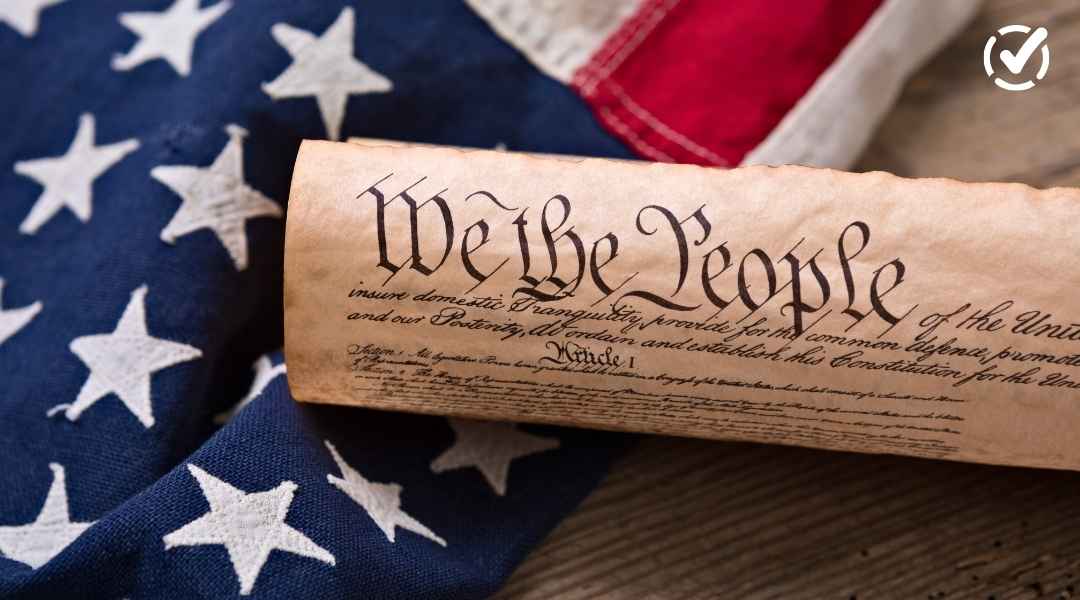
The Constitution connects to Election Day because it lays out the structure of the federal government, including the branches and offices students learn about during election lessons. Its amendments also give students a way to examine how voting rights have expanded or changed over time.
Have students read the Constitution of the United States (or portions of it), then use the paired Formative activity to check their understanding of the election-related ideas they notice in the text.
Marbury v. Madison matters for election lessons because it shows how one branch of government can check another. The case started with a conflict between outgoing President John Adams’ administration and incoming Secretary of State James Madison, but its lasting impact was much bigger. It established judicial review, or the power of courts to decide whether a government action is constitutional.
This activity connects Election Day to the structure of government. After students read the case summary, ask them to explain how judicial review supports checks and balances.
Arizona v. Inter Tribal Council teaches students that election laws can involve both state and federal authority. The case focused on whether Arizona could require extra proof of citizenship for people using the federal voter registration form. In 2013, the Supreme Court ruled 7–2 that the National Voter Registration Act preempted that state requirement for the federal form.
This activity can help students discuss how voter registration rules are created, challenged, and interpreted. Before they begin, give them one guiding question: What happens when a state voting rule conflicts with a federal election law?
Speeches can help students study elections through audience, purpose, tone, and historical context. These Election Day activities give students a way to analyze how presidents, vice presidents, and candidates have used public addresses to speak to voters and the country they serve.
George Washington’s first inaugural address shows students how presidential traditions began. After taking the oath of office on April 30, 1789, Washington gave an address that helped set a precedent for future presidents.
Have students read the address, then ask them to identify what Washington says about responsibility, leadership, and the new government. This can work well as a short close-reading activity before students compare later inaugural speeches.
George Washington’s farewell address can help students think about leadership, public service, and the peaceful transfer of power. In 1796, Washington chose not to seek a third term, even though many people wanted him to continue leading the country.
Have students read the address, then ask them to look for the advice Washington gave the country as he prepared to leave office. This Election Day activity can also help students compare what leaders say when they begin a term with what they say when they step away from one.
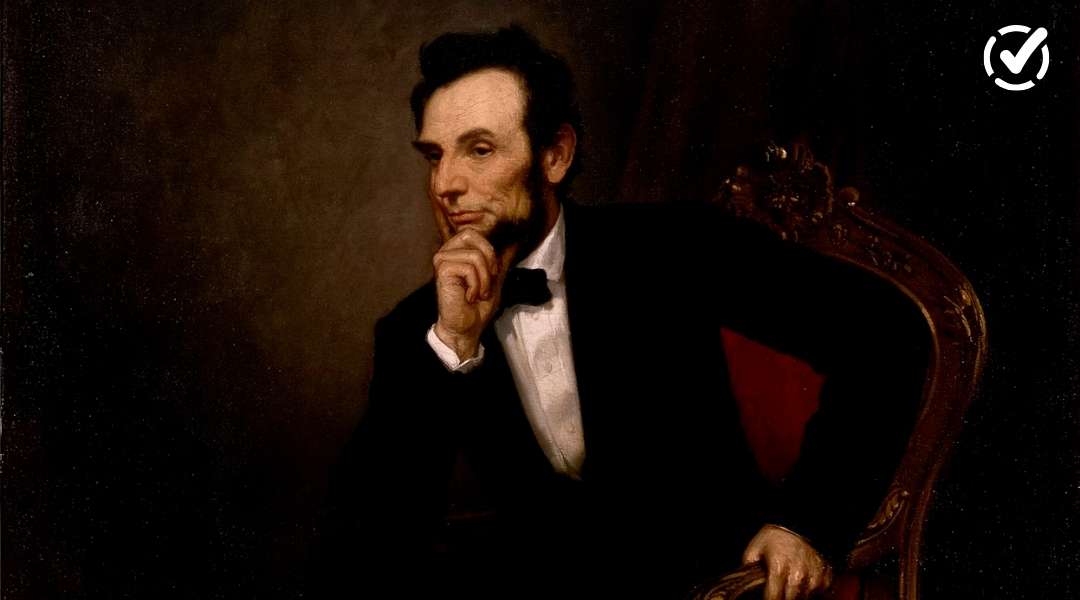
Lincoln’s first inaugural address can support Election Day activities by helping students analyze what a president says during a national crisis. By the time Lincoln took office on March 4, 1861, several Southern states had seceded, and the Civil War began a little over a month later.
Have students read the speech, then ask them to look for words or phrases that show how Lincoln tried to address division and preserve the Union. This works well as a close-reading activity because students can connect the election of 1860 to the responsibilities of leadership after an election.
Obama’s 2004 Democratic Convention address can support election lessons by giving students a campaign-season speech to analyze for audience, message, and rhetorical choices. Obama delivered the keynote address at the 2004 Democratic National Convention, where he endorsed Democratic presidential nominee John Kerry.
Have students read the speech, then ask them to identify how Obama connects personal story, national identity, and political argument. This Election Day activity works well when you want students to study how speakers try to persuade voters while also speaking to a wider national audience.
Students can analyze how Barack Obama used his 2008 victory speech to speak to supporters, acknowledge the historic moment, and point toward the work ahead. Obama was elected president on November 4, 2008, becoming the first Black person elected president of the United States.
Have students read the speech, then ask them to identify how Obama balances celebration with responsibility. This Election Day activity can work well for studying audience, repetition, tone, and the way a speaker responds after voters make their choice.
Kamala Harris’ vice president-elect speech can help students analyze representation, voting rights, and how leaders acknowledge a historic moment. Harris delivered the speech in Wilmington, Delaware, on November 7, 2020, after she and Joe Biden were projected to win the 2020 election. This made her the first woman, Black American, and South Asian American elected vice president of the United States.
Have students read or watch the speech, then ask them to identify how Harris connects the election to the people who helped expand voting rights. This Election Day activity can also help students discuss why word choice, audience, and historical context matter in a public address.
Joe Biden’s 2020 victory speech can support classroom discussion by giving students a clear example of how a president-elect speaks after an election. Biden delivered the speech on November 7, 2020, after he and Kamala Harris were projected to win the presidential election.
Have students read the speech, then ask them to look for words and phrases that focus on unity, responsibility, and next steps. This Election Day activity can help students discuss how leaders address both supporters and people who voted for someone else after an election.
Election commentary activities give students a way to read arguments about how the U.S. government should work and who should have a voice in it. Use these sources to help students compare perspectives on federal power, representation, checks and balances, and voting rights.
Each paired Formative activity can keep the lesson focused on evidence from the text, not opinions about today’s leaders and candidates. Students can look at what the writer or speaker is arguing, what context shaped that argument, and how the idea connects to Election Day.
Use Brutus 1 when you want students to compare early arguments about power, representation, and the role of central government. The essay argued that the proposed Constitution would give too much power to the federal government and weaken individual states' rights.
Before students start the activity, give them one question to track: What concern does Brutus have about the new government? That focus can help students read the argument as a historical source, not just as background information.
Federalist Papers No. 10 can help students discuss representation because it explains why Madison believed a republic could help control the effects of factions. In the essay, Madison distinguishes a republic from a pure democracy by focusing on elected representatives and a larger political community.
Have students read the essay, then ask them to track how representation changes the way people’s interests become part of government. This Election Day activity works well when students compare Federalist and Anti-Federalist views on power, voting, and the role of elected leaders.
Madison’s notes from the Constitutional Convention show that representation was one of the hardest questions delegates had to solve. Delegates debated how to share power between large and small states through the Virginia Plan, the New Jersey Plan, and what became the Connecticut Compromise.
Have students read the notes, then ask them to explain how delegates tried to balance state power with national decision-making. This Election Day activity can help them connect Congress's structure to the larger question of how voters get representation in government.
This Federalist Papers installment explains checks and balances by showing why government power should be divided across branches. Madison and other Federalists argued that this structure would help keep any one branch from becoming too powerful.
Have students read the essay and explore how the structure of government helps limit power. Then they can connect elections to the larger system elected leaders work within.
“Women’s Rights to the Suffrage” can support voting rights lessons by helping students examine how Susan B. Anthony argued for women’s right to vote before the 19th Amendment. After Anthony cast a ballot in the 1872 presidential election, she was arrested, indicted, tried, and convicted for voting illegally.
When students read, they can look for Anthony's constitutional argument about the right to vote. Then they can connect suffrage, citizenship, and voting rights to the larger history of who has had political power in the United States.
Gertrude Weil’s letters show students that voting rights history didn’t move in a straight line. Weil was a North Carolina suffragist and president of the North Carolina Equal Suffrage League when the state failed to ratify the 19th Amendment. The state didn’t ratify it until 1971, just weeks before Weil died.
Have students read her letters from 1920 and 1971 to see how Weil responded to progress and disappointment in the fight for suffrage. This activity can help them connect voting rights, state ratification, and civic action across time.
Election Day practice sets can give students a low-pressure way to review election vocabulary, branches of government, and policy concepts. Use them for independent practice, small-group work, early-finisher activities, or a quick review before a larger Election Day lesson.
Students can choose the practice mode that works best for them, like:
You don’t need to create Election Day activities from scratch. With ready-to-use activities from the Formative Library, you can help students explore documents, speeches, court cases, vocabulary, and policy topics in ways that support close reading and discussion.
You can use each activity as-is or make it your own. Adjust questions, add multimedia, import materials, or build from an existing document so the activity fits your classroom and students the way you need it to.
Ready to build your own Election Day activities? Sign up for Formative for free and start creating activities students can use for Election Day and beyond.