Independence Day Activities for the Classroom

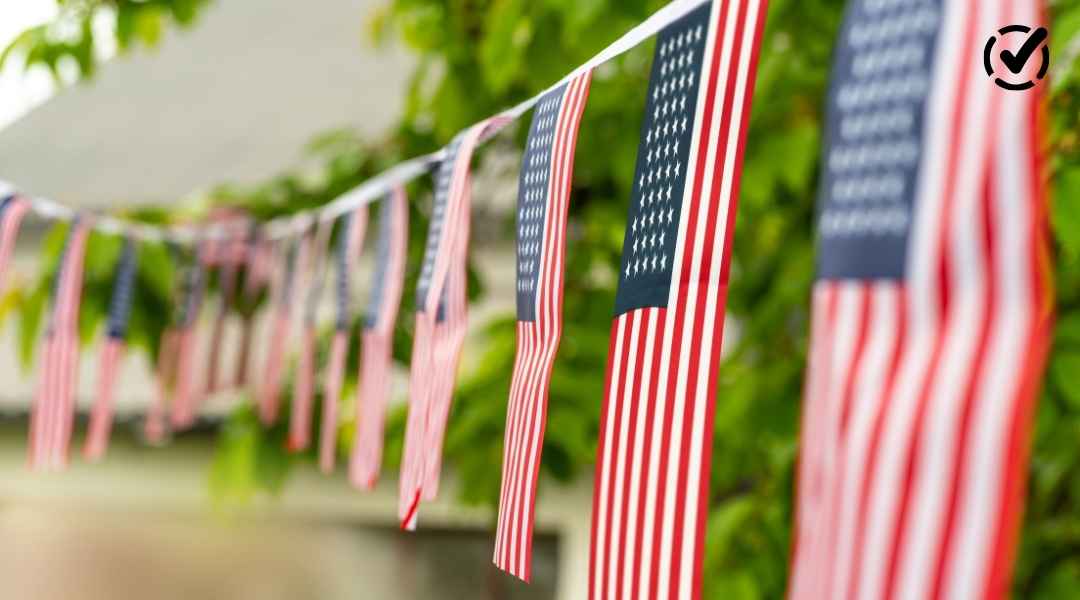
American flag bunting hanging outdoors with greenery in the background.
June 4, 2026

When you teach about Independence Day, students may want to talk about fireworks instead of the Declaration of Independence. But you can use that as a chance to build on their interests and get them curious about the real history behind the holiday.

These Independence Day activities pair primary sources, discussion prompts, and quick checks with Formative by Newsela, so students can think more deeply about the holiday’s significance and demonstrate their understanding.

[Independence Day lesson activity: Symbols, Culture, Then & Now](id-lesson)

Key Takeaways

  • Start with what students recognize. Symbols, celebrations, and community traditions give students an easy entry point into Independence Day history.
  • Build historical thinking step by step. Students move from identifying symbols to comparing 1776 with how people celebrate today.
  • Give students more than one way to respond. Typing, oral responses, drawings, and sentence frames help students show what they understand.

Start with this flexible activity to help students connect familiar Independence Day symbols and celebrations to the history behind the holiday. They can respond in writing, drawing, or discussion, which makes the lesson easy to adapt across grade levels.

How to run this activity

Use this Independence Day activity as a short lesson, small-group task, or at-home assignment. Students start with what they already know, then move into understanding symbols and history before making then-and-now comparisons about the founding of the United States and how we celebrate today.

Keep response modalities flexible by allowing students to type, talk, draw, or record their answers. Before assigning, you can preview the questions and decide which response option will work best for your class.

Lesson flow: Symbols, Culture, Then & Now

Use this sequence to move students from familiar Independence Day traditions to historical comparison and reflection.

Warm up

Ask students what they already know about the Fourth of July before they open the activity.

Study the symbols

Have students use the image and questions to identify common symbols, ideas, and celebrations.

Anchor the history

Use the history check to connect Independence Day to the Declaration of Independence and 1776.

Talk about community

Ask students to think about respectful celebrations, local safety expectations, and community traditions.

Compare then and now

Students sequence changes over time, then write or explain one comparison between 1776 and today.

How to adapt this Independence Day activity by grade level

This activity works across grade levels because students can show understanding in different ways. Younger students can name, draw, or talk through their answers. Older students can use evidence to make a claim and explain why celebrations have changed over time. 

Grade-level adaptation ideas

Use these options to adjust the activity for your students’ writing stamina, background knowledge, and support needs.

K–2 students

Let emerging writers respond by pointing, circling, naming items aloud, or drawing a symbol or celebration.

  • Accept one sentence, one label, or an oral answer.
  • Use simple frames like “In 1776…” and “Today…”
  • Let students explain their thinking to a partner or trusted adult.
Grades 3–5 students

Ask students to write two to four sentences that compare Independence Day in 1776 with celebrations today.

  • Have students name one similarity and one difference.
  • Encourage them to use one detail from the activity as evidence.
  • Ask students to explain why respectful community celebrations matter.
Grades 6–12 students

Challenge older students to make a claim, support it with evidence, and explain what changed over time.

  • Ask: What changed? What stayed the same? Why did it change?
  • Connect changes to technology, laws, population, communication, or local traditions.
  • Invite students to include a real example, such as city fireworks rules or community events.
Multilingual learners and students who need extra support

Offer sentence frames, discussion time, and flexible response options so students can focus on meaning.

  • “A symbol of the holiday is ___ because ___.”
  • “In 1776, people ___.”
  • “Today, people ___.”
  • “One reason it changed is ___.”

[Primary source activities for teaching Independence Day](id-ps)

Use these primary source activities to help students explore the people, documents, and debates connected to Independence Day. Each activity pairs a historical source with a ready-to-use Formative activity, so you can assign, customize, or extend the work based on your lesson goals.

Newsela Social Studies subscribers get access to features that make primary source texts easier to teach and share, including accessing the content at five reading levels that help students engage with complex documents without getting stuck on advanced 18th-century language.

Primary source activities for Independence Day

Use these Formative activities with primary sources to help students practice close reading, historical thinking, and evidence-based discussion.

Activity Resource type Instructional strategy Primary source
Time Machine (1773): The Boston Tea Party Newspaper article Analyze a historical news account to identify key details, perspective, and cause-and-effect connections. Battlefields.org
The Declaration of Independence Document Use close reading to help students identify central ideas, claims, and the purpose of the founding document. National Archives
The Articles of Confederation Document Compare founding documents to examine government structure, strengths, limits, and historical context. National Archives
Alexander Hamilton Finds Deficiencies in the Constitution, 1780 Letter Have students evaluate an author’s argument and use evidence to explain concerns about early government. National Archives
George Washington criticizes the Articles of Confederation, 1785 Letter Analyze point of view and historical context to understand criticism of the Articles of Confederation. National Archives
The Constitution of the United States of America Document Guide students to identify text structure, civic ideas, and connections between the Constitution and earlier founding debates. U.S. Senate
The Bill of Rights Document Connect amendments to rights, responsibilities, and classroom discussion about civic life today. National Archives
Frederick Douglass’ “What to the Slave is the Fourth of July?” Speech Support rhetorical analysis and discussion about perspective, audience, and the meaning of Independence Day. PBS

Create your own Independence Day activities with Formative

The Formative Library gives you free, pre-made activities you can use as-is or customize for your students. You can adjust questions, add media, change assignment settings, or build from a PDF or existing document.

You can also create your own Independence Day activities from scratch. Add audio, video, documents, or questions to build a lesson or assessment that matches your class and instructional goals.

Don’t have a Formative account yet? Sign up for Formative for free today to start creating activities for Independence Day and beyond.

Formative platform logo

One platform for everything you need to instruct, assess, and adjust in real time

Try Formative for Free

If you like this article...