Teaching about Rosh Hashanah and Yom Kippur can help students learn about Jewish traditions, reflection, renewal, and community. But finding activities that are ready to assign, adapt, and use respectfully and academically can take time.
Use these Formative activities to introduce key vocabulary, compare observances, and build content knowledge across subjects. You’ll also find a simple way to create your own Rosh Hashanah and Yom Kippur activities in Formative
Help students learn about Rosh Hashanah through symbols, vocabulary, geography, and respectful comparisons across traditions. These ready-made activities give you a starting point you can assign as-is or customize for your class.
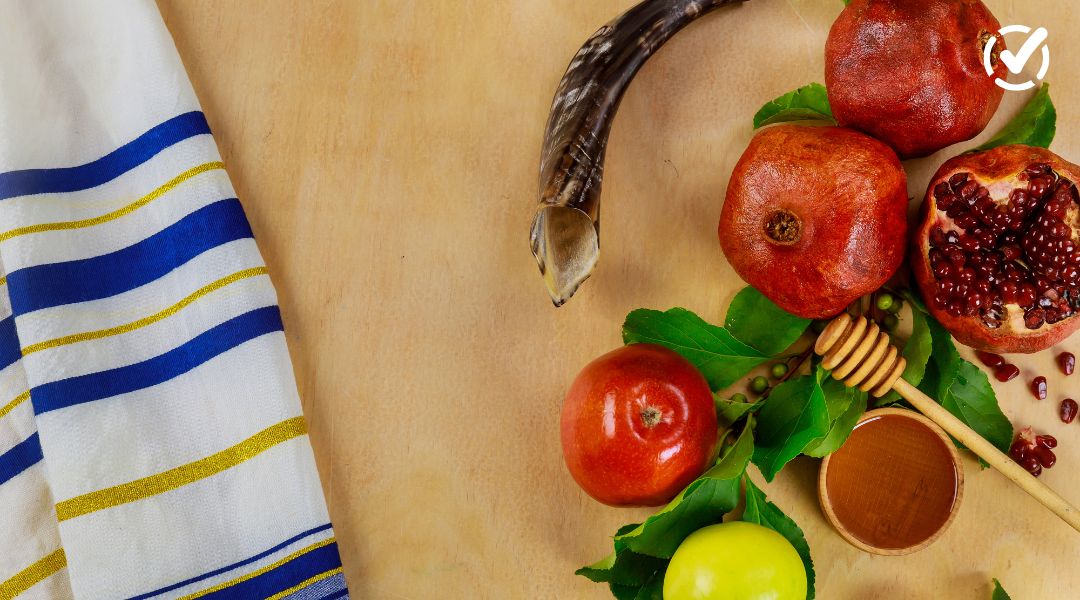
The “Rosh Hashanah: Sweet New Year Symbols” activity helps students build background knowledge about common Rosh Hashanah symbols and greetings.
Students learn that Rosh Hashanah is the Jewish New Year and that some families celebrate with special meals, kind wishes, or familiar greetings. This is a helpful starting point if you want students to connect concrete symbols to larger ideas like celebration, renewal, and hope.
Use it as a quick introduction before a class discussion, a short independent activity, or a simple background-building task before students compare New Year traditions across cultures.
The “Rosh Hashanah Around the World: Geography, Vocabulary, and Calendars” activity helps students build basic knowledge about the holiday while practicing vocabulary and map skills.
Students learn key words connected to Rosh Hashanah, explore where it’s celebrated, and think about how holidays can change calendar dates each year. Use this activity when you want students to do more than memorize facts in ELA, social studies, or as a cross-curricular opportunity.
The “Rosh Hashanah: Shofar Signals & New Year Intentions” activity introduces students to the shofar and its role in Jewish culture during the holiday.
In this 15-minute lesson, students learn how the shofar is used as a sound signal. Then they connect the idea of a signal to a personal intention for the new year. Use this activity when you want to students to move from learning about a cultural symbol to making a thoughtful connection to their own goals.
The “High Holy Days & New Years: Comparative Religions” activity helps students compare Rosh Hashanah and Yom Kippur with other New Year observances in a respectful, academic way.
Students focus on accurate terms and shared themes like reflection, renewal, community, and the meaning of symbols. This makes the activity a good fit when you want students to compare traditions without treating every observance the same.
Use this activity to support discussion, short written responses, or a compare-and-contrast task. It works well after students have already learned basic vocabulary and symbols connected to Rosh Hashanah and Yom Kippur.
Help students learn about Yom Kippur through vocabulary, reflection, math practice, and text analysis. These activities keep the focus informational and academic, so students can build understanding without being asked to practice religious rituals.
The “Yom Kippur: Vocabulary & Key Concepts Quick Check” activity helps students review important terms and big ideas about the holiday in an informational way. Use it when students need a short knowledge check before a larger discussion, comparison activity, or text-based lesson.
It can also work well as an exit ticket after introducing Yom Kippur and vocabulary themes.
The “5-Minute Yom Kippur Math: Multiply & Divide” activity gives students a quick math warm-up with a Yom Kippur theme.
Use this activity when you need a short skills-practice option that still connects to the seasonal topic. It can work as a bell ringer, early finisher task, or quick review before moving into a longer holiday season.
The “Kavanah: Pause, Notice, and Plan” activity gives students a quiet way to reflect on their choices, relationships, and intentions.
Students begin with a short mindfulness check-in. Then, they look back on one choice they feel good about, one moment they might handle differently next time, and one small step they could take to repair or improve a relationship. They finish by writing a specific intention for the week and one action they can take in the next 24 hours.
Use this activity when you want students to connect themes of reflection and accountability to their own lives in a low-pressure way. The activity also gives students the option to keep answers private, which helps make the reflection more flexible.
The “Atonement & Accountability: Yom Kippur in Jewish Texts” activity helps students move from basic holiday vocabulary into deeper reading and analysis.
Students choose a Jewish text excerpt to analyze, then they write a claim about what the text teaches about Yom Kippur. They’ll use evidence and commentary to explain ideas like atonement, repentance, forgiveness, or justice.
Use this activity when students are ready for a more rigorous ELA, social studies, or comparative religions task. It gives them practice making a clear claim, citing evidence, and using respectful academic language when discussing religious texts and traditions.
You can also create Rosh Hashanah and Yom Kippur activities in Formative if you don’t see a ready-made template that matches your lesson goal. This works when you have specific reading, skills, or classroom discussion in mind.
For example, you might build an activity around a short reading about Rosh Hashanah symbols or a Yom Kippur text. Then use Formative and Luna AI to turn that material into something students can respond to directly.
Before you assign your Rosh Hashanah or Yom Kippur activity, preview it from the students’ point of view. Formative’s Preview option lets you view and interact with the activity as a student, which can help you check the display for both mobile and desktop devices.
This is especially helpful for activities that include readings, images, or videos. A quick preview can help you catch unclear directions, hard-to-view resources, or questions that need more context before students begin.
The Formative Library has free, pre-made activities you can use to teach about Rosh Hashanah and Yom Kippur in a respectful, academic way. Assign a template as-is, or customize it to fit your class period, grade level, subject, or discussion goals.
You can also create your own activity when you need something more specific. Start with a reading, video, vocabulary list, or math warm-up. Then use Formative to add questions, directions, and multimedia.
Don’t have a Formative account yet? Sign up for Formative for free today to start creating Rosh Hashanah and Yom Kippur activities, and more seasonal lessons for the year ahead.