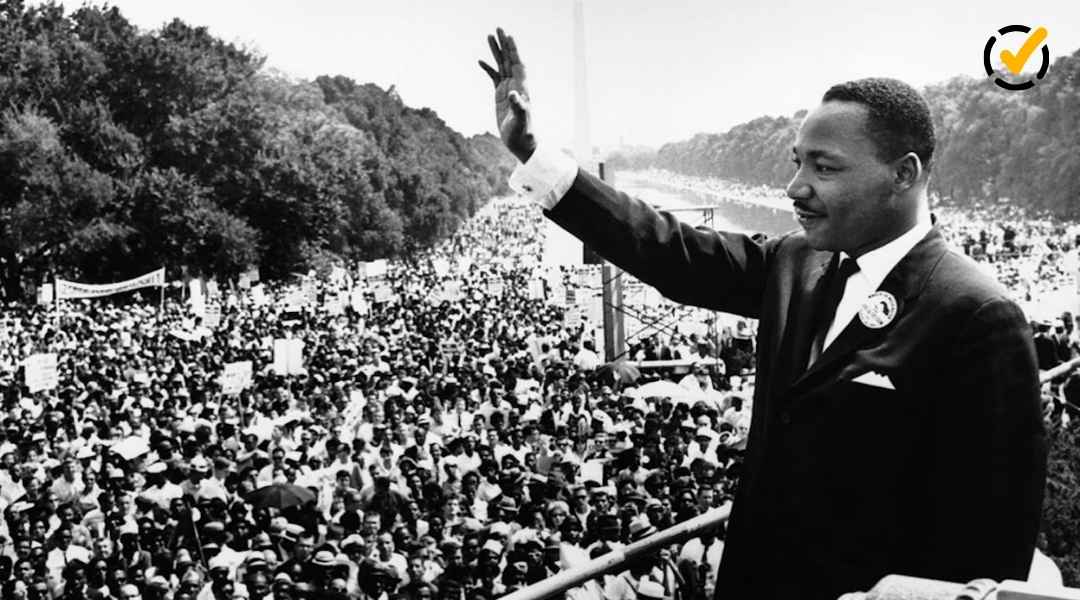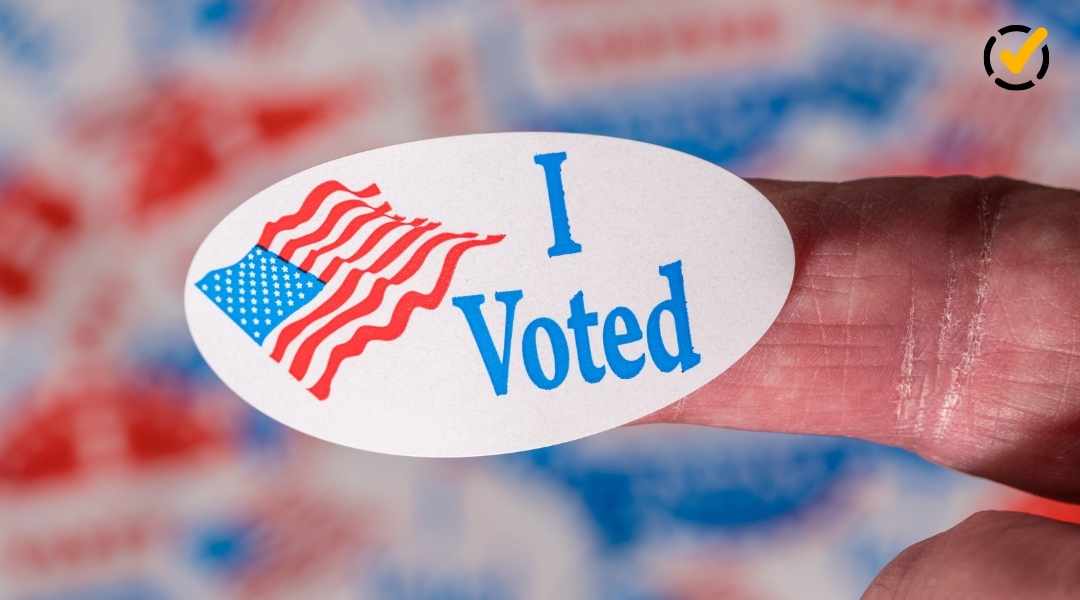
Black History Month, officially recognized in 1976 thanks to historian Carter G. Woodson, celebrates the contributions of Black Americans throughout history. Teachers can bring history to life with interactive Black History Month activities that combine arts, STEM, civic reflection, and primary sources.
Jump to:
Key takeaways:

Students can understand the cultural and artistic impact of the Harlem Renaissance by exploring poetry and art.
Our “Art, Poetry, and the Harlem Renaissance” activity connects artistic expression with historical context. Students can develop cultural literacy, critical thinking, and a deeper knowledge of Black contributions to the American arts.
Students can learn about key Black figures and their contributions to history while understanding their impact on society.
Formative’s “Black History Figures Practice Set” introduces students to both historical and modern Black figures. They can build knowledge and retention by matching the names of historic figures with their accomplishments.

Students can explore how Black inventors have shaped STEM fields and solve real-world problems.
Formative’s “Black Inventors & Engineering” activity invites students to read about inventions, answer concept questions, perform calculations, and complete a hands-on engineering challenge. This activity combines historical context with problem-solving and design thinking.
Students can connect math skills to real-world contributions of Black scientists and mathematicians.
The “Katherine Johnson Multiplication Word Problems” activity on Formative invites students to solve single- and multi-step multiplication problems and interpret data tables. By connecting math to space exploration and historical figures, students can see relevance and application.
Students can understand and apply Martin Luther King Jr.’s values in modern contexts through reflection and writing.
With Formative’s “Living Out MLK Jr.’s Legacy Today,” students will engage with a structured opinion essay prompt to explore how Dr. King’s ideals could influence their own communities. Formative supports this reflective writing with feedback options to help students meet their goals.
Key takeaways:

This case highlights early challenges to segregated schooling and shows how legal action can create change. Students can analyze case details and discuss the impact of segregated education.
This court case demonstrated how “separate but equal” laws upheld injustice. Students can explore the court decision and its social consequences. Assessing this case in Formative allows students to answer questions and participate in guided discussions while you give instant feedback.
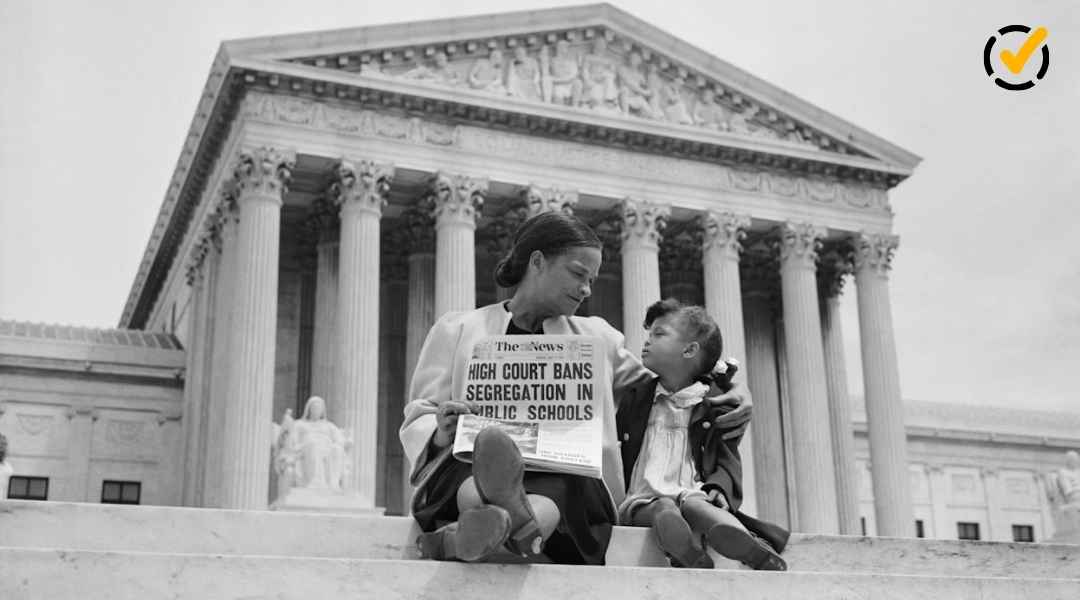
This Supreme Court case made segregated schools unconstitutional, demonstrating the power of legal decisions in societal change. Students can map the case and its outcomes and connect historical events to modern education.

This legislation outlawed discrimination in public spaces and employment. It advanced civil rights nationwide. Students can apply legal principles to real-world situations. Formative helps you assess their comprehension and meet learning objectives around historical events.
The Loving case highlights the fight for marriage equality and personal rights under the law. Students can consider the social and legal impact of this Supreme Court ruling. The activity’s structured reflection and discussion help students connect history to modern social issues.
Key takeaways:
John P. Parker’s autobiography shows the risks and efforts involved in helping enslaved people reach freedom. Students can analyze an excerpt from Parker’s story, answer questions, and reflect on his experience.

Douglass’ life story highlights themes of resilience, leadership, and the fight for civil rights. Students can read excerpts from his memoir, answer comprehension questions, and think about his journey.

Northup’s memoir tells of his 12 years in slavery and emphasises how that experience shaped him. Students can explore the historical context and implications of Northup’s story. The Formative activity guides students through analysis and prompts them to develop critical thinking skills.

Letters from Samuel Cabble, Morgan W. Carter, and Spotswood Rice reveal the experiences of Black soldiers and their contributions to freedom. Students can compare these letters, answer questions, and consider the differences in the soldiers’ lives.
This Midwest newspaper documented and advocated for Black Americans seeking better opportunities in the 1900s. Students can analyze articles from the paper on the Great Migration and discuss its social impact.
Key takeaways:

In this 1851 speech, Truth addressed gender and racial equality while advocating for women and Black Americans. Students can identify key arguments and reflect on the speech’s relevance today.

Douglass’ 1863 speech urged Black men to join the Union Army and fight for freedom during the Civil War. Students can analyze the content and historical significance of the speech, which reinforces civic and historical understanding.

Du Bois advocated for educated Black leaders to uplift their community. Students can discuss leadership and social responsibility by evaluating this work.
Bates explored the challenges that the Little Rock Nine faced when she originally gave this speech. Students can reflect on leadership strategies and social change.

In 2008, Barack Obama became the first Black president-elect of the United States. In his election night victory speech, Obama paid tribute to civil rights activists and everyday Americans who made the groundbreaking election possible.
Students can identify key themes, analyze rhetorical devices, and connect the speech to modern-day civic life.

In 2020, Kamala Harris became the first Black, Asian, and woman elected Vice President of the United States. She spoke at the victory rally following the announcement and acknowledged all the women who fought for the right to vote, which made her election possible.
Students can examine how Harris used narrative, tone, and message to mark a moment of historic firsts.
Formative’s Library offers free, pre-made activities and templates to teach Black History Month topics across subjects and grade levels. You can customize lessons, add multimedia, and create quizzes or essays to fit your classroom needs.
Don’t have a Formative account yet? Sign up for Formative for free today to start creating activities for Black History Month and beyond!