
When daylight saving time begins, your students can see and feel it right away. Brighter afternoons, darker mornings, and lots of questions about why this change happens. It’s a great time to turn a real-world event into meaningful science, math, and ELA instruction.
With daylight saving time fun activities, you can help students explore Earth’s patterns, understand how sunlight changes throughout the year, and practice telling time using analog and digital clocks.
Using Formative’s ready-to-use lessons, you can engage students with interactive science explainers, math practice, and literacy tasks that connect seasonal changes to skills they’re already building in the classroom.
Jump to:
Key takeaways:
Daylight saving time offers students opportunities to explore how the sun, Earth, and seasonal patterns affect the amount of daylight we receive. These science activities help you connect observable changes—like shifting shadows and longer afternoons—to foundational Earth science concepts.
Students can directly observe the effects of Earth’s rotation by tracking how shadows move and change length throughout the day. These patterns help explain why daylight shifts over time and build an early understanding of how the sun’s position affects what we see on Earth.
Our sun and shadows science starter lesson guides students through hands-on observations of sunlight and shadows, helping them recognize predictable patterns in the sky. Using this lesson around daylight saving time reinforces why mornings and afternoons feel different after the time change.

The sun is the primary source of energy that drives many of the changes we experience during daylight saving time—including warmth, light, and longer periods of daylight. Understanding how solar energy reaches Earth helps students connect these concepts even more closely to their everyday experiences.
Our renewable energy science explainer activity allows students to explore how solar, wind, and geothermal energy form and transfer to energy we can observe. This explainer pairs with daylight saving discussions and helps you emphasize how changes in sunlight affect energy use and the environment.
Students may assume that more daylight means that the Earth is closer to the sun. Daylight saving time is a great chance to address this misconception. The real cause of seasonal daylight change is the Earth’s tilt and rotation.
Our “What Causes the Seasons?” science explainer activity shows how Earth’s tilt affects sunlight angles and day length throughout the year. This resource helps students understand why daylight hours increase in the spring, even though Earth’s distance from the sun doesn’t change significantly.
Key takeaways:
Daylight saving time gives students a real reason to think about time, position, and measurement. These math activities help you connect changes in daylight to foundational skills like describing position, understanding elapsed time, and reading analog and digital clocks.
.jpg)
Understanding position and location helps students begin thinking about how the Earth, sun, and objects around them relate to one another. This spatial awareness supports later discussions about how Earth’s position affects sunlight and daylight hours.
Our “Object’s Position” math starter lesson helps students describe the location of objects using simple positional language. You can extend this lesson by discussing how Earth’s position relative to the sun affects the amount of daylight we experience throughout the year.
When clocks move forward in the spring, students notice that mornings feel darker and afternoons feel longer. Exploring this shift builds understanding of elapsed time and how changing one hour impacts daily routines.
We have a daylight saving time math lesson that guides students through adding one hour to times using both analog and digital clocks. With explanations and word problems, this resource makes daylight saving time a meaningful context for time-based math practice.
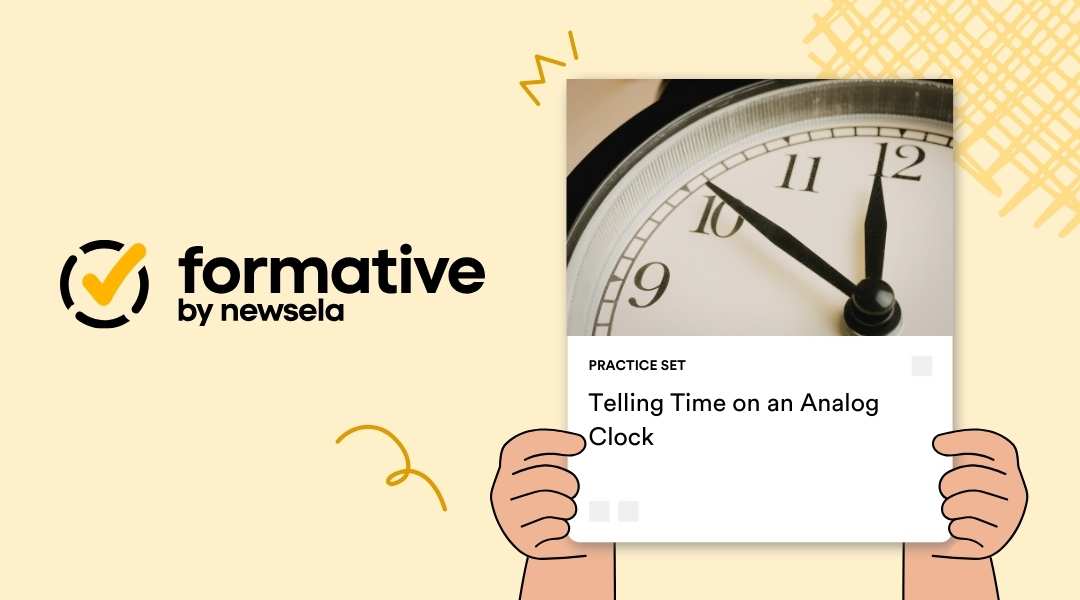
Fluency with telling time requires repeated practice in multiple formats. Daylight saving time provides a natural opportunity for students to compare analog clock faces with digital times as they adjust to the time change.
Our “Telling Time on an Analog Clock” practice set allows students to practice this skill with flashcards, matching, quizzes, or write mode. These flexible practice options support independent work, small groups, or review stations while reinforcing time concepts connected to daylight changes.
Key takeaways:
Daylight saving time gives students a shared experience they can write about and discuss from multiple perspectives. These ELA activities will help you use the time change as a meaningful context for building comprehension, writing, and speaking skills across grade levels.
Daylight saving time creates clear cause-and-effect relationships that students can observe in their daily lives, such as changing routines or shifts in daylight. These connections help students practice identifying causes and outcomes in a meaningful way.
Our cause-and-effect starter lesson guides students in writing sentences that clearly show cause-and-effect relationships. Using daylight saving time as the theme helps students connect literacy skills to real-world experiences they already understand.

Daylight saving time often sparks strong opinions, making it an ideal topic for teaching opinion writing. Students can take a position on whether they like the time change or not and support their thinking with clear reasons.
Our opinion writing starter lesson walks students through the structure of an opinion paragraph, including stating their opinion, giving reasons, and writing a conclusion. Framing the lesson around daylight saving time encourages authentic writing rooted in students’ own experiences.
Interviewing peers helps students practice listening, questioning, and summarizing ideas while learning that people can experience the same event differently. Daylight saving time provides a familiar topic for gathering and comparing viewpoints.
Our classmate interview starter lesson teaches students how to conduct an effective interview and analyze responses. Having students interview classmates about their thoughts on daylight saving time builds communication skills while reinforcing respectful discussion.
Daylight saving time offers a unique opportunity to connect science, math, and literacy through lessons that feel relevant to students. With Formative, you can turn the time change into meaningful instruction by exploring Earth’s patterns, practicing telling time, or expressing opinions through writing and discussion.
Engage students across science, math, ELA, and social studies with ready-to-use digital activities that save prep time and boost participation. And when you use Formative with Newsela STEM, you can unlock even more from our science explainer activities. Give students access to the included articles and adjust reading levels to meet diverse learning needs.
Not a Formative customer yet? Sign up for free to access these activities and many more to bring daylight saving time fun activities to life in your classroom.