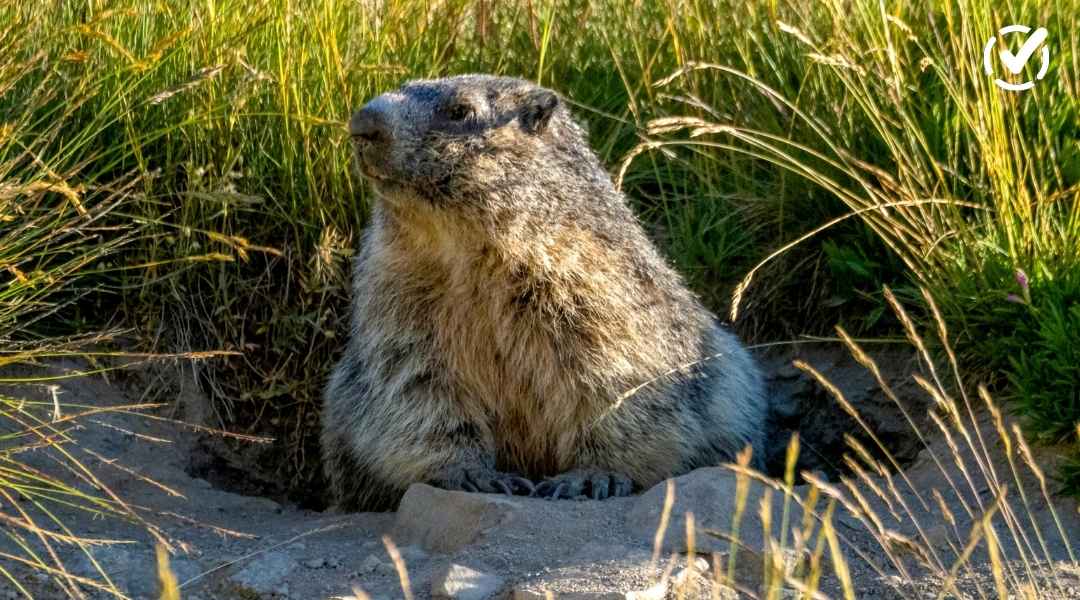
Conservation Month is a chance to help students understand how living systems, natural resources, and human choices connect. Across biology, animal science, Earth science, and ELA, conservation-focused instruction helps students explore real-world problems while building critical thinking and literacy skills.
With World Wildlife Day, World Water Day, and World Forest Day all happening in March, you can scaffold conservation concepts across grade levels using ready-made Formative lessons and science explainers, without adding more prep time to your plate.
Jump to:
Key takeaways:
World Wildlife Day is a great anchor for Conservation Month because it helps students understand how animals depend on their environments and how human actions influence ecosystem balance.
These lessons and activities support K-12 biology, animal science, and Earth science by building from concrete habitat concepts to complex food web and extinction analysis while reinforcing reading, discussion, and writing skills.
Understanding habitats is foundational to conservation because animals rely on specific environments for food, shelter, and survival. This habitat early elementary lesson introduces students to different habitat types and builds early awareness of how environmental changes affect wildlife.
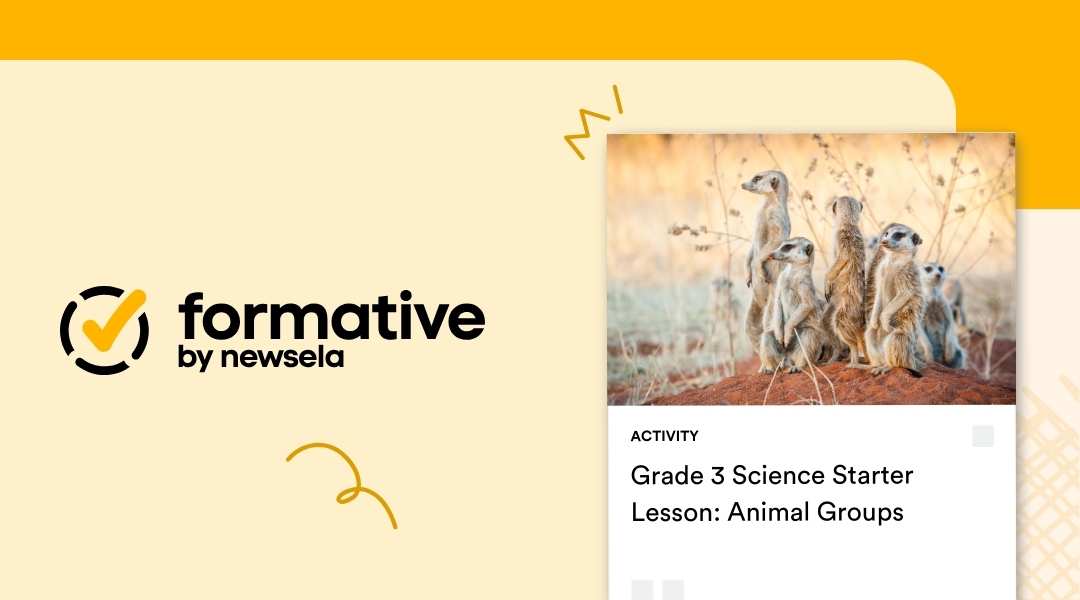
Many animals rely on group behavior to find food, defend themselves, and adapt to environmental changes. This early elementary lesson helps students connect animal behavior to survival strategies and reinforces the idea that ecosystems function through cooperation and interaction. It also supports early systems thinking in conservation education.
Sensory structures help animals find food, avoid predators, and respond to environmental changes. By exploring how senses support survival, students begin to understand adaptation as a key conservation concept. This upper elementary lesson strengthens connections between physical traits, behavior, and ecosystems.
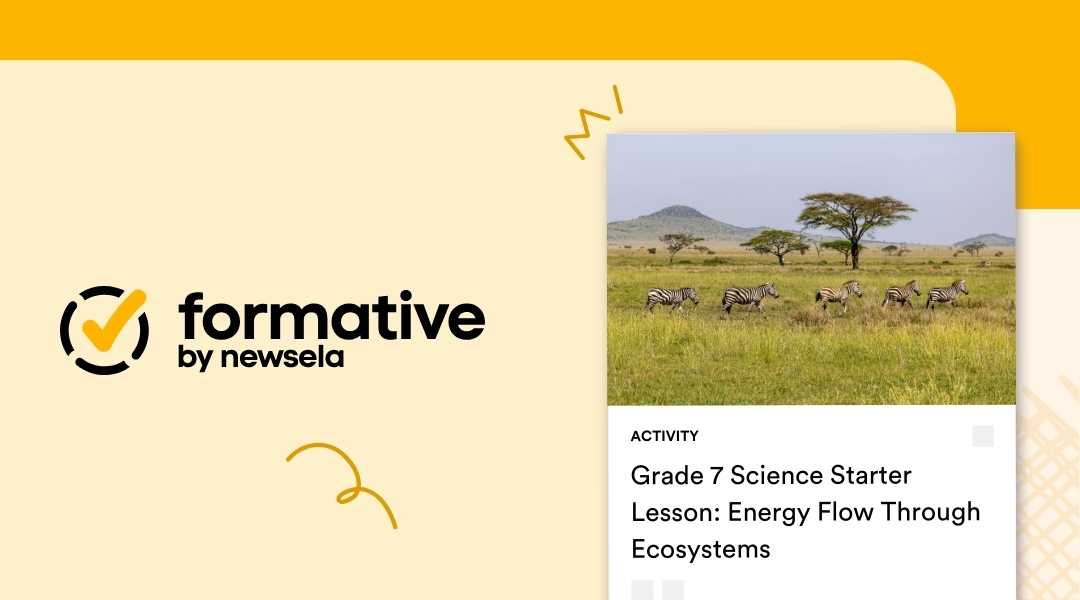
Energy flow explains how living and nonliving parts of ecosystems connect. This middle school activity helps students trace energy from producers to consumers and decomposers, building a systems-level understanding of ecosystems essential for conservation reasoning.
Food chains show a single path of energy transfer. Food webs reveal how multiple food chains intersect within an ecosystem. Understanding food webs helps students see why ecosystems are resilient and why removing one species can disrupt the entire thing.
This activity supports deeper analysis of ecosystem stability and conservation challenges.

Marine ecosystems rely on complex food webs that connect microscopic organisms to top predators. This explainer activity helps students understand how ocean biodiversity supports global ecosystems and why protecting marine life is critical to conservation.
Sea otters are known as a keystone species, meaning their presence (or absence) has a huge impact on ecosystem health. This explainer activity helps students understand how protecting a single species can support kelp forests, marine biodiversity, and even carbon absorption.

Food chains show how energy and nutrients move through ecosystems, from producers like plants to predators and decomposers. This explainer activity helps students visualize these ecological relationships and understand why every organism plays a role in keeping the balance.
Species become endangered due to natural changes, competition, diseases, and human activity. This lesson helps students distinguish between natural extinction and human-driven extinction, supporting evidence-based discussions about conservation responsibility.
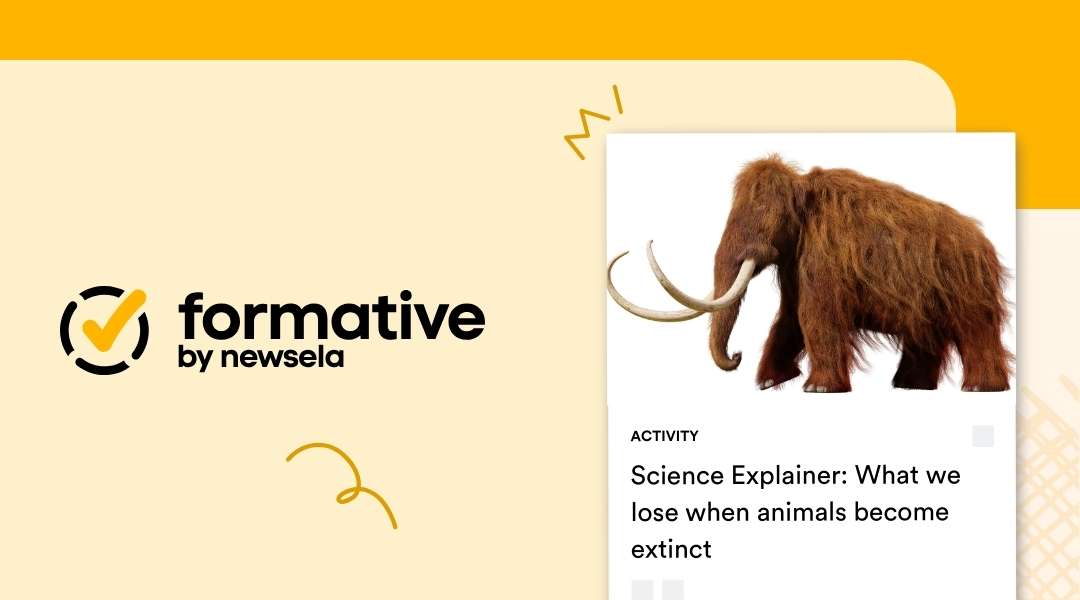
When species disappear, ecosystems lose balance, biodiversity, and resilience. This explainer lesson supports higher-level analysis by helping students evaluate ecological consequences and the long-term impact of extinction on food webs and environments.
Creative writing allows students to synthesize scientific knowledge while building an understanding of animals and ecosystems. This upper elementary acrostic poem ELA activity encourages students to reflect on animal characteristics, habitats, and conservation through structured poetry writing.
Key takeaways:
World Water Day is another entry topic for Conservation Month instruction. It helps students understand how water moves through Earth’s systems and why access to clean, fresh water matters for animals and humans.
These lessons guide students from foundational geographic knowledge to complex environmental issues while reinforcing data analysis, scientific reasoning, and opinion writing.
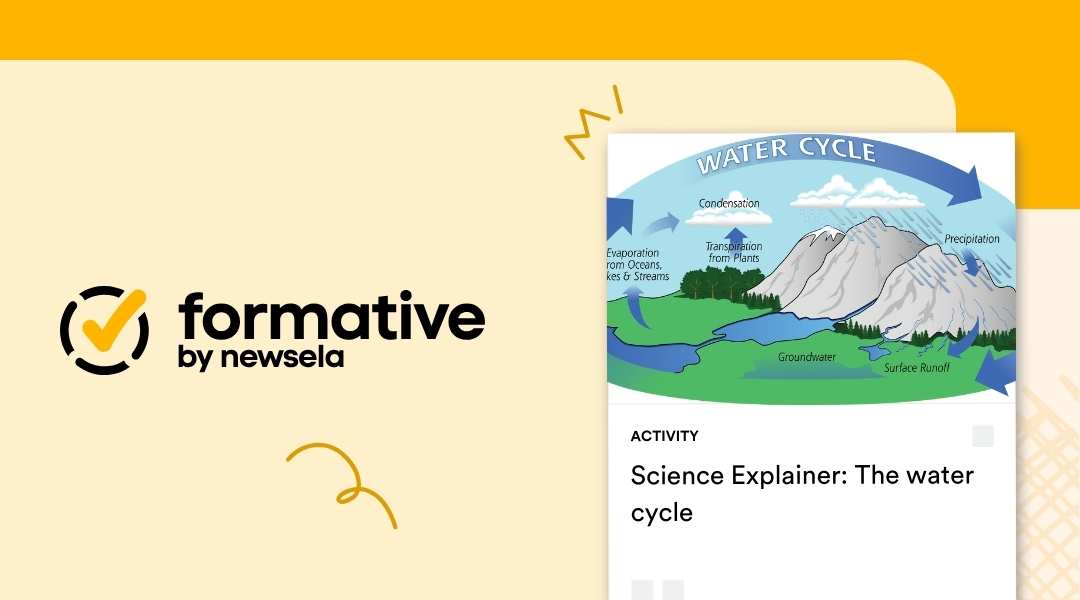
The water cycle explains how water continuously moves through land, oceans, and the atmosphere and supports all living things. Understanding this cycle helps students see how disruptions, like pollution, can affect worldwide ecosystems.
This explainer activity builds foundational Earth science knowledge that supports later conservation discussions.
Knowing where Earth’s oceans are helps students contextualize global water distribution and environmental systems. This early elementary lesson builds geographic literacy while supporting early discussions about why water resources can be unevenly distributed around the world.
Although Earth is covered in water, very little of it is accessible freshwater. This explainer activity helps students analyze where freshwater exists, why it’s unevenly distributed, and how scarcity affects economic development and daily life.
Flooding is the most common natural disaster, and its effects can be both destructive and ecologically necessary. This explainer lesson helps students examine how floods affect people, wildlife, and the environment. It also explores why some ecosystems depend on seasonal flooding to survive.
Opinion writing encourages students to apply scientific understanding to real-world decisions. This upper elementary writing activity asks students to evaluate the best water conservation strategies and support their opinions with reasoning. It can strengthen both environmental awareness and persuasive writing skills.
Key takeaways:
World Forest Day introduces the change to help students understand how plant systems support life on Earth. These lessons connect photosynthesis, plant lifecycles, and climate impacts to help students see forests as dynamic systems. The activities also integrate writing and analysis to support science literacy across grade levels.
Photosynthesis allows plants to convert sunlight into chemical energy, forming the foundation of nearly all food webs. Understanding this process helps students see why forests are critical for oxygen production, carbon storage, and ecosystem health. This explainer activity reinforces core biology concepts and connects them directly to conservation efforts.
Plants go through predictable stages of growth, reproduction, and renewal. Learning about the plant life cycle helps students understand how forests regenerate and why protecting young plants is essential for long-term conservation. This explainer activity supports systems thinking and life science standards.
Advocacy writing encourages students to apply scientific knowledge in meaningful ways. This high school writing activity asks students to propose actions their teachers and school communities can take to recognize World Forest Day, reinforcing civic engagement and environmental responsibility.
Formative makes it easy to bring conservation-focused instruction into your classroom without extra prep. You can assign ready-made lessons, customize questions, and track student understanding in real time—all in one place.
The Formative Library lets you browse hundreds of pre-made activities or create your own using multimedia, PDFs, and Luna AI-powered support across grade levels and subjects.
When you pair Formative with Newsela STEM, you unlock even more from science explainer activities. View the included articles and adjust reading levels to support students with diverse learning needs. That flexibility helps ensure all your students can engage deeply with conservation topics, no matter their current skill level.
Don’t have a Formative account yet? Sign up for Formative Free today and start teaching Conservation Month with confidence.