Earth Day is a perfect chance to help students think about the planet and their role in protecting it. The challenge? Finding Earth Day lesson activities that are engaging, meaningful, and not just seasonal busywork.
We’ve got a collection of ready-to-use activities that you can implement right away. These Earth Day lesson activities cover science, climate, energy, ecosystems, and ELA.
Jump to:
Key takeaways:
A good Earth Day lesson doesn’t need to be complicated. Sometimes the best place to start is a quick challenge, a short review, or a conversation about how students can help the planet.
These activities give you an easy way to open class, review key concepts, and help students think about real actions people can take to protect the Earth.
Using Formative makes it even easier. You can run these Earth Day lesson activities live in class, see responses as they come in, and guide discussion based on what students actually understand.
A short quiz eases students into a topic, sparks curiosity, and shows you what they already know about protecting the planet.
Our “Earth Day Challenge” works well as a bell ringer or class opener. Students answer questions about how Earth Day started and ways people can protect the environment. The activity also introduces common sustainability ideas students will see throughout other Earth Day lessons.
Use this activity to start conversations about everyday choices, environmental responsibility, and how small actions can make meaningful change.
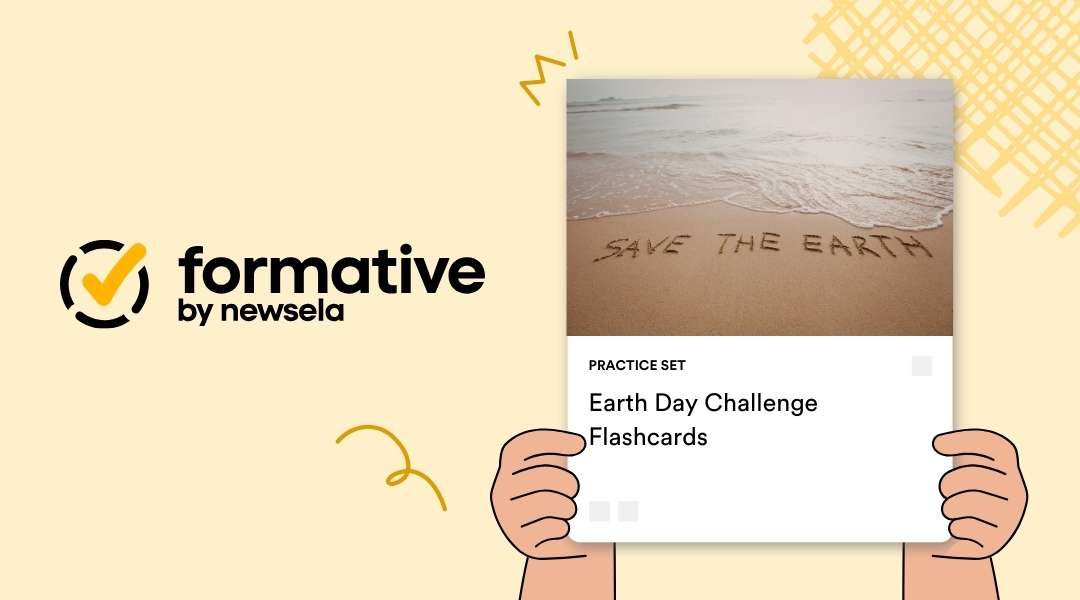
Before diving into bigger environmental topics, students often need a quick refresher on the basics. A short practice activity helps them review key Earth Day ideas so they feel ready to participate in the discussion.
Formative’s “Earth Day Challenge Flashcards” is a practice set that students can use as a warm-up or homework assignment. They move through flashcards that reinforce important Earth Day facts and vocabulary to build background knowledge.
Students may hear about our changing planet and environmental protection, but wonder what they can actually do to help. Giving them concrete actions helps make Earth Day’s purpose feel practical.
Our “10 Things You Can Do to Help Save the Earth” science explainer walks students through simple ways people can reduce their environmental impact. It highlights everyday choices that lower greenhouse gas emissions and shrink a person’s carbon footprint.
Key takeaways:
Earth Day is a great time to zoom out and look at how the planet works as a system. When students understand habitats, ecosystems, and Earth’s layers, they start seeing how everything connects.
These Earth science Earth Day lesson activities help students explore the systems that support life on Earth. They build vocabulary, reinforce science standards, and make environmental learning more concrete.
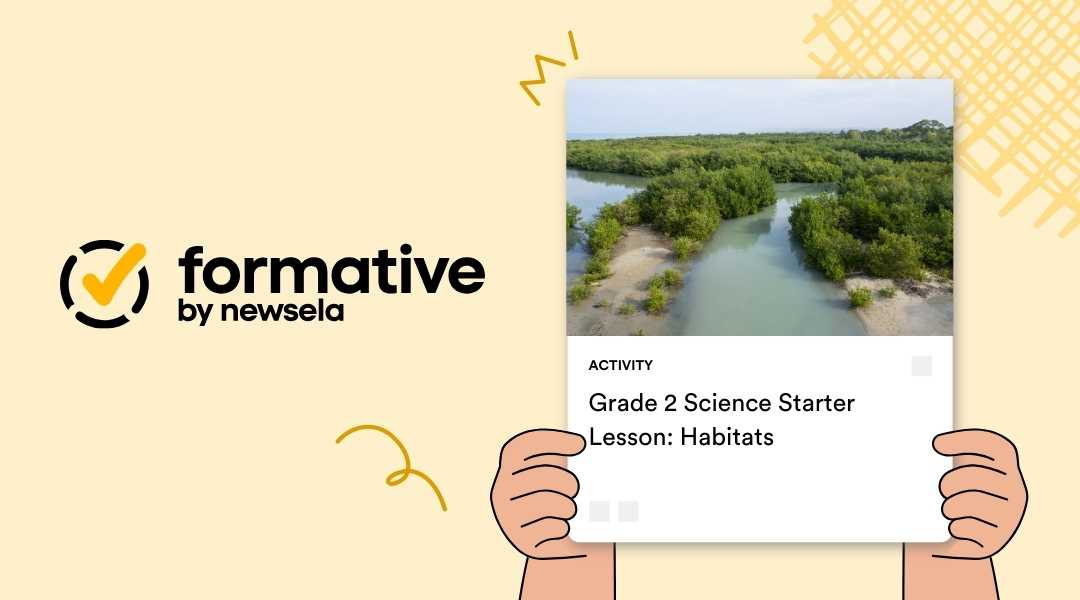
Younger students may hear the word "habitat" in their lessons, but may not fully understand what it means. A focused lesson helps them connect the idea to real environments where plants and animals live.
Our habitats science starter lesson introduces students to different types of habitats and how living things depend on them. It also helps students compare different habitats to notice how deserts, forests, oceans, and other environments support different life forms.
Earth works as a connected system, so understanding the planet’s spheres helps students see how those parts interact.
Our “Earth’s Spheres” science starter lesson introduces the four major Earth systems: Geosphere, hydrosphere, atmosphere, and biosphere. Students explore how each one supports life and influences the others.
As students work through the activity, they’ll recognize how changes in one system can affect the others. That connection makes the science behind Earth Day more meaningful.

We live inside Earth’s atmosphere every day, but likely never give it a second thought. Understanding this system helps students see and realize why our planet supports life.
Formative’s atmosphere science explainer shows students how this sphere provides oxygen, absorbs harmful radiation, and helps regulate temperature. It also introduces the layers of the atmosphere and lets students explore how each one plays a different role.
Students may confuse the terms biome, habitat, and ecosystem because they have similar definitions. Earth Day is a great time to clear up confusion and help them see the similarities and differences among them.
Our “What makes a biome?” science explainer introduces biomes, how major regions support different life, and how biomes connect to habitats and ecosystems. Students can see how individual species, environments, and climate systems all work together to make up life on Earth.
Key takeaways:
Climate topics often come up around Earth Day, but students may struggle with the vocabulary and science behind them. Starting with clear explanations helps them build a stronger understanding.
These Earth Day lesson activities focus on climate systems, environmental change, and the ways human activity affects the planet. They help students connect scientific ideas to real-world issues.
To understand conservation, sustainability, and other Earth Day topics, students first need to know what the “climate” actually is. Starting with a clear explanation helps them build a stronger foundation before tackling more complex environmental topics.
Our “What are climate and climate change?” science explainer introduces climate as the long-term average weather patterns in a region. Students can explore how scientists study temperature, precipitation, and other patterns over time. The lesson also explains how climate change occurs when those long-term patterns shift.
Food production affects the planet in ways students (and even adults) may not realize. Looking at agriculture helps them see how human systems can both support and strain the environment.
Formative’s “Environmental impacts of agriculture changes” science explainer looks at how farming practices have changed over time and introduces the idea of sustainable agriculture. Students explore how farming methods can protect the environment while still producing enough food.

Earth Day lessons are a great time to clear up the differences between the terms “weather” and “climate.” This helps build a stronger foundation for understanding environmental science.
With Formative’s science explainer activity on the topic, students compare short-term weather patterns with long-term climate trends. They can see how daily conditions differ from average patterns scientists study over many years.
Key takeaways:
Weather and natural disasters help students see Earth science in action. These events show how powerful natural systems can be and how they shape environments and communities.
Earth Day is a great time to explore these topics. Students can connect what they learn about the planet to real-world events like storms, floods, and wildfires.
Starting with clear examples helps students understand the difference between typical weather and severe conditions. Our “Severe Weather” science starter lesson introduces the idea that not all weather is the same. Students explore what makes storms stronger and why some weather events can become dangerous.
Thunderstorms are common, but do your students know what actually causes them? A short science explanation helps connect everyday experiences to the physics behind storms.
Formative’s “What causes lightning and thunder?” science explainer introduces the concept of lightning and shows how static electricity builds up to fuel it. The lesson also helps students connect lightning to thunder and understand how energy moves during a storm.
Students may not understand how natural disaster events form or why they affect some places more than others. Our natural hazards starter lesson helps students explore different types of hazards and the science behind them. They’ll look at how events like earthquakes, floods, and storms develop.
Floods are the most common natural disaster on Earth. Studying them helps students see how natural events affect both people and ecosystems.
This science explainer on the effects of flooding looks at how rivers overflow and why flooding happens. Students learn how floodwaters can damage communities, reshape environments, and influence ecosystems.
Earthquakes may feel mysterious to students because they can’t actually see how they happen. Learning about the topic helps them connect geology to real events that shape the planet.
Our “Science of earthquakes” explainer introduces how tectonic plates shift along faults. Then students will learn how energy builds up in Earth’s crust and is released, making the ground shake. The lesson also explains key terms such as “fault,” “hypocenter,” and “epicenter,” which students need to understand to learn how earthquakes start and spread.
Learning the science behind hurricanes helps students connect weather patterns to real-world events. Our “What is a hurricane” science explainer introduces what hurricanes are and explains how scientists track storms and predict their paths. That helps students understand how forecasting keeps communities safer.
Wildfires have become more common in recent years, and learning how they start helps students understand how natural systems and human activity can interact.
Formative’s wildfire science explainer introduces the science behind these natural disasters and looks at why certain conditions make fires more likely to spread. Students explore how dry vegetation, weather conditions, and human activity can all contribute to wildfire events.
The lesson also highlights the environmental and health impacts of wildfires. Students can see how a fire event affects ecosystems, air quality, and communities.
Key takeaways:
Energy is a major part of environmental conversations on Earth Day. Students may hear about fossil fuels and renewable energy, but not understand where they come from or how they actually work.
These Earth Day lesson activities help students explore where energy comes from and how it powers modern life. They also introduce the environmental impact of different energy sources.

Starting with a clear explanation of what fossil fuels are (and aren’t) can help students connect energy use to environmental impact. Formative’s fossil fuels science explainer shows students how coal, oil, and natural gas formed and how they power transportation, electricity, and industry worldwide.
What actually counts as renewable energy? A clear overview can show students how wind, sunlight, and geothermal energy naturally renew and how people capture that energy for everyday use.
Our “Types of renewable energy” science explainer activity also helps students connect renewable energy to sustainability. They can see how alternative energy sources can reduce reliance on fossil fuels.
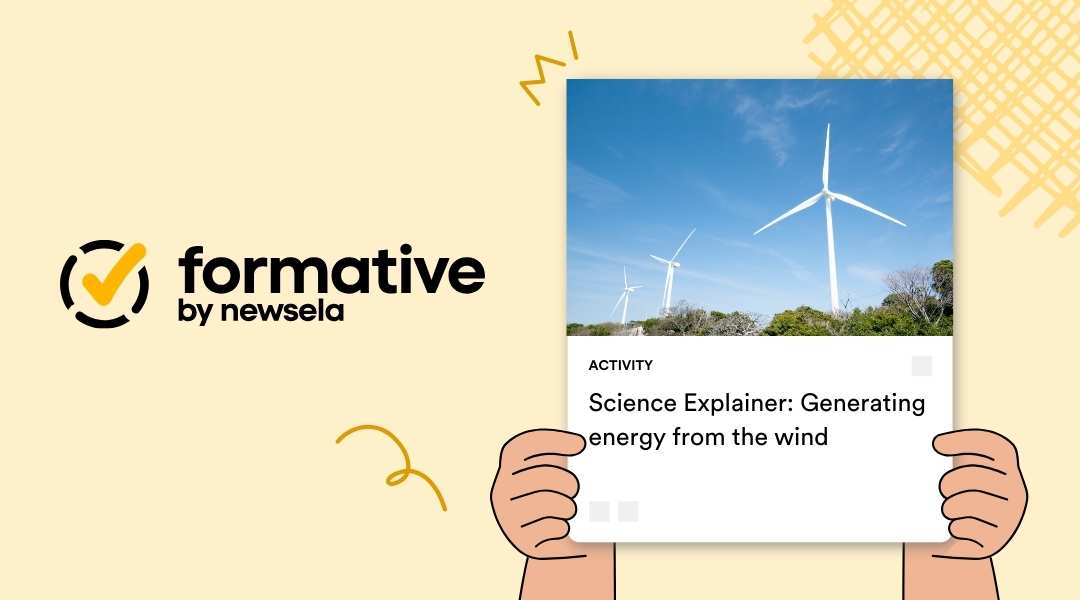
Learning how wind turbines create electricity can help students understand how renewable energy systems work. Our “Generating energy from the wind” science explainer introduces wind energy and explains the different types of turbines. It also explores how engineers design them to capture wind efficiently.
Exploring nuclear power helps students see how scientists generate electricity using processes that differ from those used with fossil fuels. Our nuclear power science explainer introduces what this type of energy is and how the process releases heat used to produce electricity. It also helps students understand why some countries use nuclear power as an alternative energy source.
Key takeaways:
Air pollution is one of the most direct ways students can see how human activity affects the planet. Many environmental issues discussed on Earth Day connect back to the atmosphere. These Earth Day lesson activities help students explore how pollutants enter the air and how those changes affect health, ecosystems, and climate.
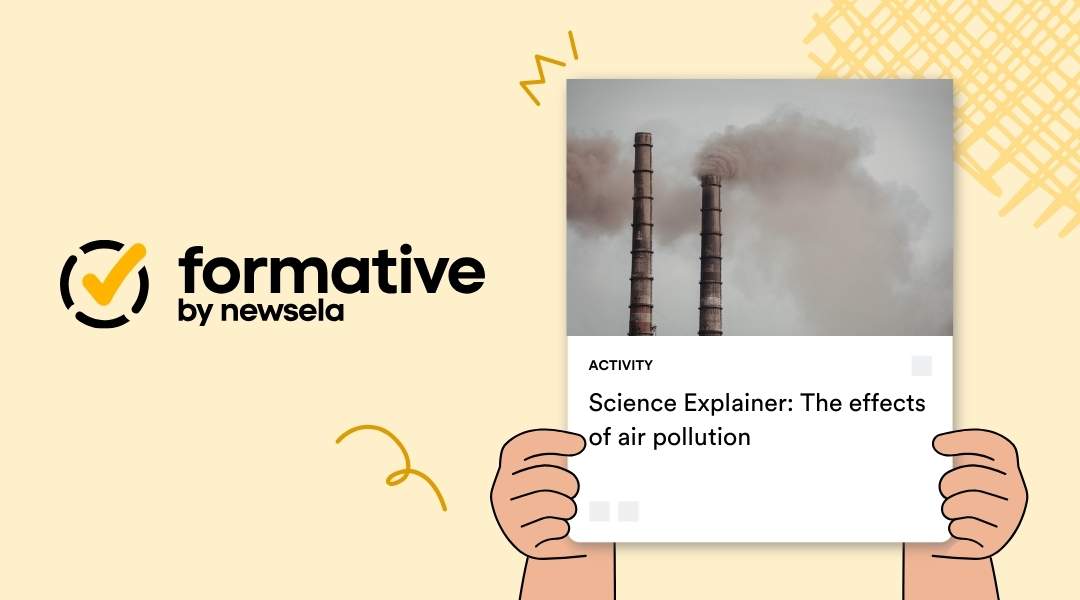
A focused explanation helps students better understand air pollution, even if they can’t see it. Our “Effects of air pollution” science explainer makes it easier for students to understand how gases and particles in the air affect both people and the environment.
This lesson also helps students understand how human activity has changed the atmosphere over time. That connection makes air pollution an important topic in many Earth Day lessons.
Key takeaways:
Earth Day is a great time to talk about biodiversity and the role animals play in ecosystems. When students understand how species interact with their surroundings, environmental protection becomes more meaningful.
These Earth Day lesson activities explore how animals affect ecosystems and what happens when species disappear. They can help students see how interconnected life on Earth really is.
Students may like talking about individual animal species, but may not always see how those groups influence entire ecosystems. Earth Day is a great time to explore how animals help maintain environmental balance.
Our sea otter science explainer introduces the idea of a keystone species. Students learn how predators can shape ecosystems by controlling the populations of other species. They’ll also discover how one species can influence plants, animals, and habitats across an ecosystem.
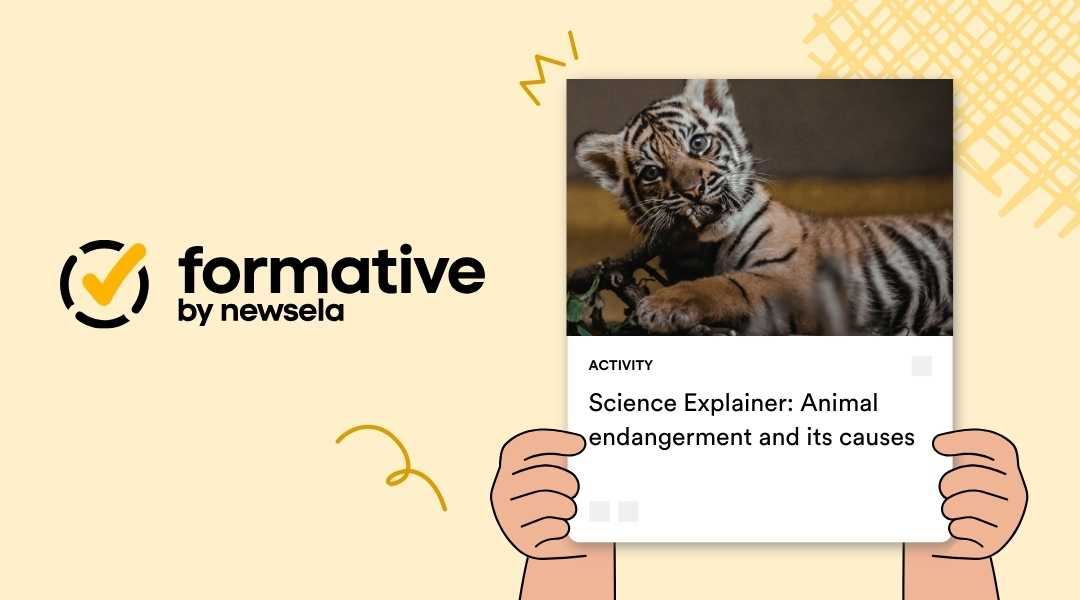
Learning about the endangerment of animals and species helps students see how environmental changes affect living things. Formative’s animal endangerment science explainer introduces the concepts of species endangerment and the facts that can push animals toward extinction.
Students explore how disease, competition, and environmental changes can reduce species populations. This lesson also shows how human activity has accelerated these losses.
Understanding how extinction affects entire ecosystems can help students see why biodiversity matters. Our animal extinction science explainer shows how species loss affects food webs, ecosystems, and environmental balance. The lesson also highlights how scientists track endangered species and measure biodiversity loss worldwide.
Key takeaways:
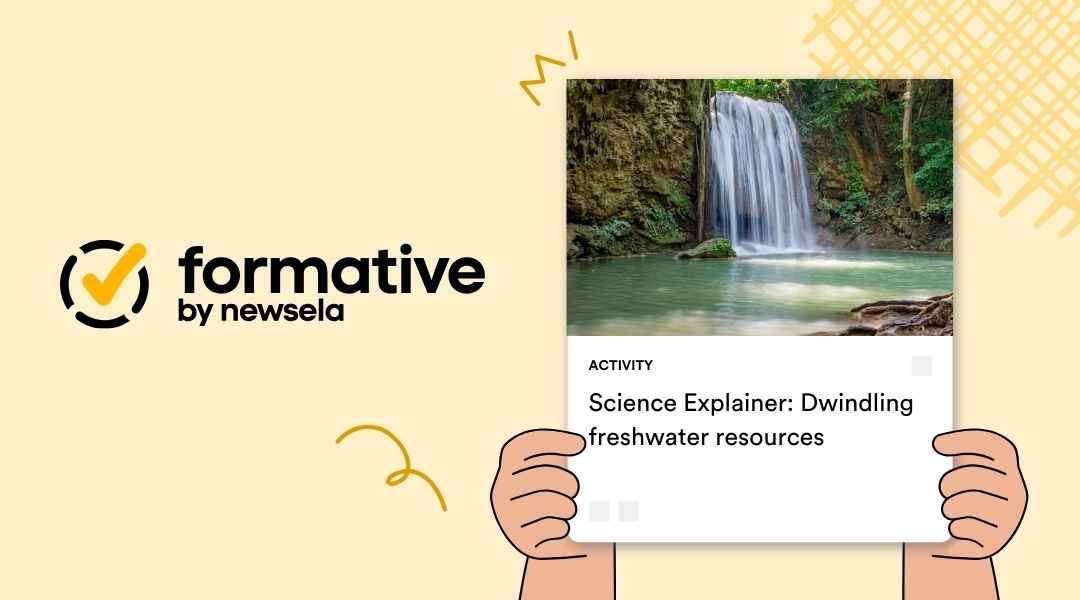
Many students assume water is unlimited because it’s always available from a tap. Studying freshwater resources helps them understand how limited clean water actually is.
Formative’s “Dwindling freshwater resources” science explainer introduces the global distribution of water on Earth. Students learn that most of the planet’s water is saltwater and that only a small percentage is available as usable freshwater.
The lesson also highlights how access to freshwater varies across the world. Students begin to see why water conservation and resource management matter.
Understanding the full water cycle helps students see how water constantly moves through Earth’s systems. Formative’s water cycle science explainer introduces the water cycle and shows how water travels between land, oceans, and the atmosphere.
Students explore processes like evaporation, condensation, and precipitation. These steps help explain how ater changes form and affects locations as it moves around the planet.
Key takeaways:
Earth Day lesson activities don’t have to stay in science class. This can be a great opportunity to connect environmental topics to reading, writing, and student reflection. These types of activities help students express what they’ve learned about the planet. They can write creatively, reflect on environmental issues, or propose ideas for change.

Earth Day is a great time for students to pause and reflect on their relationship with the planet. Poetry gives them a simple way to reflect on nature, environmental responsibility, and the world around them.
In our acrostic poem starter lesson, you can ask students to use the phrase EARTH DAY to create their masterpiece. Each letter becomes the start of a line about nature, the environment, or protecting the planet.
This activity also connects nicely to April, which is National Poetry Month. Students practice creative writing while reflecting on environmental themes.
Earth Day is a great opportunity for students to think about how they can make a difference. Writing about environmental issues helps them organize their ideas and propose real solutions.
Our “Letter to Your Teacher” starter lesson can be adapted to ask students to write a persuasive letter about an Earth Day initiative they would like their class or school to try. Students can explain their idea and support it with reasoning.
This activity encourages them to connect environmental topics to real actions in their school community. Plus, you can read responses as students write and provide feedback in real time. That makes it easier to guide students toward stronger arguments and clearer explanations.
Earth Day is a great starting point for helping students think about the planet and their role in protecting it. The right Earth Day lesson activities help students explore environmental science, climate, ecosystems, and sustainability in meaningful ways.
With Formative, you can quickly assign ready-to-use lessons or create your own using Luna AI, multimedia, PDFs, Google imports, and interactive response types. As students work, you’ll see their answers in real time and adjust instruction as needed.
Our science explainer activities also include content from Newsela STEM. Sign up for your free Newsela 45-day trial, and you’ll get access to the original articles with texts available at five reading levels, making it easier to support a wide range of learners.
Don’t have a Formative account yet? Sign up for free and start building engaging Earth Day activities today.