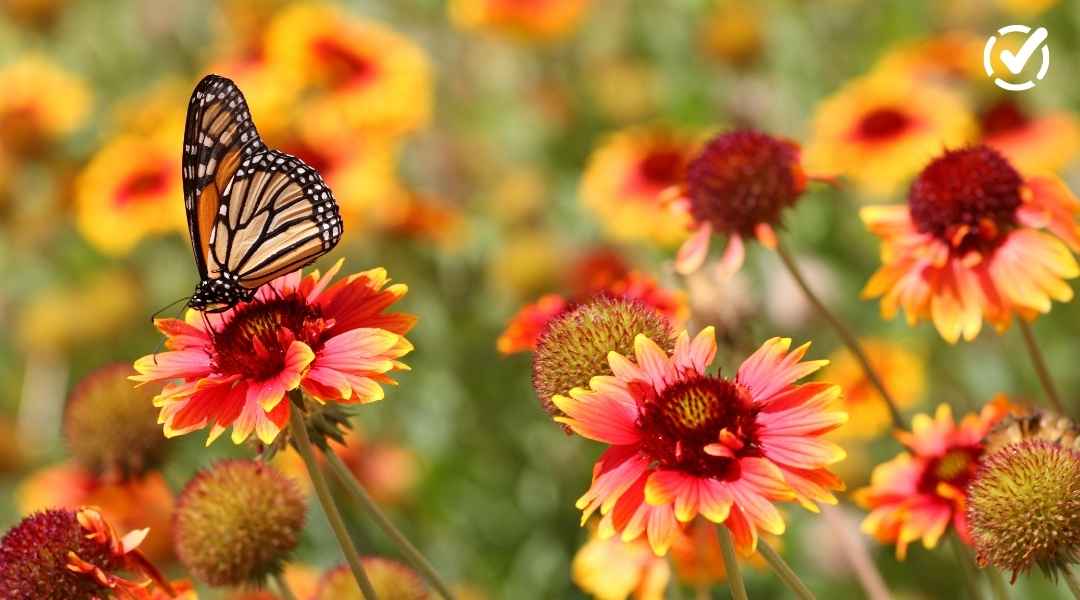
The first day of spring gives you a perfect reason to reset routines and spark curiosity with timely, fun lessons.
You can use first-day-of-spring activities to explore weather, nature, data, and writing without extra prep. These ready-to-use Formative lessons help you teach core skills while leaning into a season students already love.
Jump to:
Key takeaways:
Spring works well as a science activity topic because students already see change happening with the seasons. Days get longer. Weather shifts. Plants start growing. You don’t have to force the connection.
Plus, when you use Formative with Newsela STEM, science explainer activities get even stronger. You can share the same topic with leveled texts and even more resources so students can access the content, no matter their ability level.
As spring starts, students see longer daylight and changing shadows. These are simple outdoor changes that younger students can observe and discuss. Our early elementary Sun and Shadows Starter Lesson helps students track those patterns. They observe shadows, compare results, and explain what changes over time.

Spring brings rain, wind, and storms. That makes it a great time to discuss the differences between regular and severe weather. Our early elementary Severe Weather Starter Lesson helps students compare what happens outside on a normal day with severe conditions. It builds early science vocabulary using weather they may already experience.
Flooding and storms tend to increase during spring. Older students can look at why that happens and what it means for communities. Our middle school Natural Hazards Starter Lesson helps students connect seasonal changes to real-world impacts.
Students can explore causes, effects, and forecasting tools to learn how to predict natural hazards in their towns or cities.
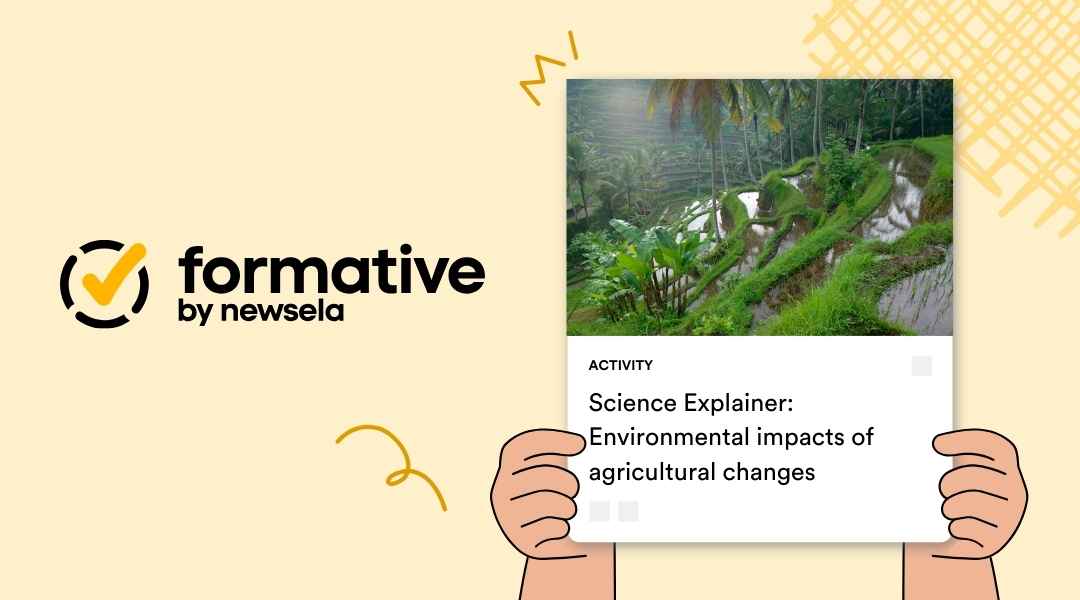
Spring is when students start to learn about planting and crops. If they live near farmland, they’ll see fields change, or they may hear about the spring foods coming in from farms and orchards. That makes this a great time to talk about how farming affects land and water.
Use our Environmental Impact of Agriculture science explainer to show what farming looks like at a large scale. Students can learn how food production can both help people and harm ecosystems.
When students notice stronger winds in the spring, it might be a good time to talk about how people can harness wind to generate energy. Our Generating Energy from the Wind science explainer shows how turbines work. Students will learn how moving air turns into electricity and why wind power matters.
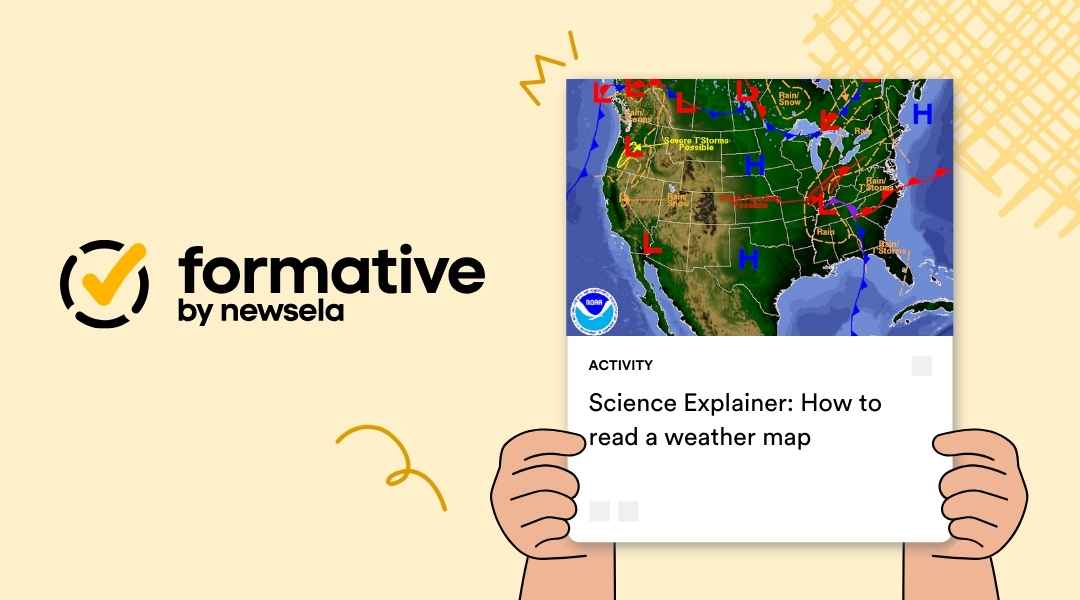
Spring forecasts change fast, and students hear about them constantly, whether it’s on the news or social media. That makes weather map lessons feel relevant.
Use our How to Read a Weather Map science explainer when storms or big temperature swings show up in your local forecast. Students learn what the symbols mean and how meteorologists use them, which helps them better understand the weather everyone is already talking about.
Spring plant growth makes photosynthesis easier to teach because students can see it happening. Leaves are coming back, plants are growing, and the concept feels real instead of abstract.
Use our Learn the Photosynthesis Formula science explainer to connect sunlight, water, and carbon dioxide to real plant growth. Students can learn the photosynthesis equation and link it to what they notice outside the classroom windows.

Spring rain can lead to flooding, which students may experience, hear about on the news, or see online. These can be great moments to talk about how flooding affects people and ecosystems.
Use the Many Effects of Flooding science explainer to show how floodwaters change land and ecosystems. Students can learn about erosion, sediment, and habitat changes that happen during floods.
Spring is when students can actually watch plant life cycles restart. Seeds sprout, flowers bloom, and life-cycle lessons become easier to visualize. Use our Plant Lifecycle science explainer to walk students through each stage. It works well as a companion to hands-on classroom planning projects, school gardens, or observation journals.
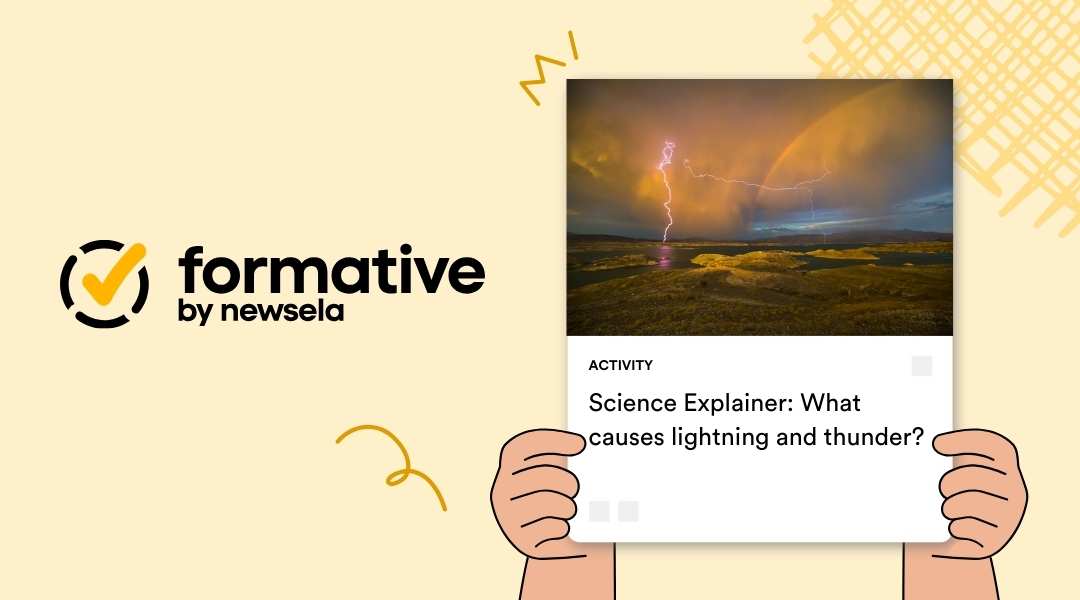
Spring storms give students plenty of reasons to ask about phenomena like lightning and thunder. It’s a question that might come up on its own when this type of weather happens outside your classroom windows.
Use our What Causes Lightning and Thunder? science explainer to break down static electricity and charge in a way that makes sense. Use it in real time during a storm or when severe weather is in the forecast.
During the spring, cold days, warm days, rain, and snow can all show up in the same month (or the same week, depending on where you live). Use our What’s the Difference Between Weather and Climate? science explainer to help students separate short-term conditions from long-term patterns. Use it to answer questions about your local climate and how each weather event fits into its seasonal cycles.
Key takeaways:
Spring can be a great opportunity to tie math to real-world experiences and make its concepts more visible.
Formative’s spring math activities focus on early skills that are easy to drop into your day as a short lesson, warm-up, or review. Students will stay engaged while you get useful insights into what they understand about key math concepts.
Spring themes give you an easy, familiar way to talk about position and location. Students can describe where the sun appears in the sky, where objects are outside, or how shadows and daylight change during the seasons.
Use our Object’s Position math starter lesson to help early elementary students describe location using words like above, below, next to, and behind.
Spring gives you lots of simple data for students to work with, like daily weather, types of flowers, or how many sunny days your town has in a week.
Our Picture Graphs math starter lesson can help students organize and read this type of data using images and illustrations. Spring themes boost student engagement, and you can quickly see who understands how graphs work.
Key takeaways:
Adding writing to your lessons in the spring can be easier because you have a built-in topic for real-world reactions. Weather changes, shifting routines, and longer days can give students ideas without much research.
Formative’s spring writing activities are designed for short, focused lesson blocks. You can use them to get students writing quickly, spark discussion, or to check in on how clearly they’re communicating their ideas.

Spring gives students clear cause-and-effect examples without you having to invent scenarios. Weather changes, more daylight, and seasonal routines all have concrete causes and effects worth writing about.
Use our Cause and Effect ELA starter lesson to help students practice writing simple cause-and-effect sentences using spring topics. This activity works well as a short writing block or a quick check to see who understands how ideas connect.
Poetry works well when you want to get students writing but don’t have time for a long draft-and-review cycle. Spring themes give students familiar words and images to work with, which helps them get started faster.
Use our Acrostic Poem ELA starter lesson to have students write using the word SPRING. It’s a low-pressure way to practice word choice and structure while producing a short, complete piece of written work.

Spring is a natural moment for reflection. Students are finishing one part of the year and starting another, which gives them something real to write about.
Use our Letter to Your Future Self ELA starter lesson to have students write to their “winter self” next year about moving into spring right now. This works well as a short reflective assignment and gives you insight into how clearly students can organize and express their ideas.
The first day of spring is an easy chance to refresh your classroom without overhauling your lesson plans. With the right activities, you can tap into the season students are already noticing and keep your lessons focused on real skills.
Formative makes it simple to teach first-day-of-spring activities across subjects. You can pull ready-made lessons from the Formative Library, check understanding in real time, and adjust instruction without adding extra work.
Don’t have a Formative account yet? Sign up for Formative Free today and start teaching about spring with confidence.