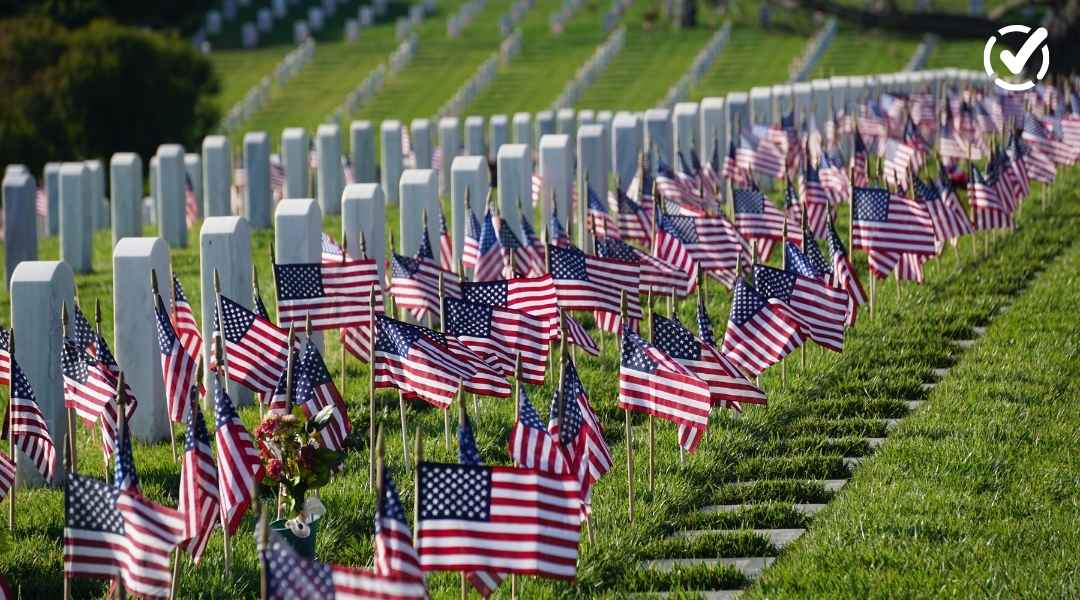
How do you plan on recognizing Memorial Day in your classroom? It sneaks up faster than you think, and it might become an afterthought when you still have lessons to teach and standards to hit before the year is over.
These Memorial Day activities help you keep learning going without losing meaning. You’ll build context, support discussion, and use ready-made Formative lessons that are easy to run, grade, and use to influence instruction.
Jump to:
Key takeaways:
Memorial Day lessons work best when students actually know what they’re learning about and why. These activities help you build a foundation first. Students read, think, and respond in small chunks. You get real data on what they understand, helping you adjust instruction in real time to keep your lessons as targeted as possible.
Students need a clear, simple understanding of what Memorial Day is and what it isn’t. Many may mix it up with Veterans Day. Start by grounding them in the purpose: Memorial Day is a holiday honoring those who died in military service.
The “Memorial Day!” Formative activity gives you that foundation easily. Students work through a history of the holiday from the Civil War to the start of Decoration Day in 1868. It also keeps the tone appropriate. The content is informative without being too dark or overwhelming, which makes it easier to guide discussion and reflection.

Students need to learn the language before they can really talk about the holiday. Words like “sacrifice,” “service,” and “remembrance” matter, but you need to teach them in a way that makes the definitions stick.
A stations-style approach can help, because it keeps students moving while still building skills. Our “Memorial Day Vocabulary: History & Civics Stations” activity does exactly that. Students rotate through short texts, answer questions, and use evidence as they go. You can also quickly check responses in real time and step in where needed.
Students may not see how Memorial Day connects to world history beyond the U.S. A geography lesson can help show where conflicts happened and how remembrance connects to places around the world.
Our “Memorial Day Geography: Map Skills & Global Remembrance” activity brings this concept to life. Students work with maps to locate memorial sites and connect major wars to regions. They’re practicing map skills, but also building context.
Key takeaways:
Memorials give students a tangible concept to work with when discussing Memorial Day. Instead of focusing only on sacrifice, they can also see how it’s honored and remembered.
This approach also invites deeper thinking. Students move beyond “What is it?” to “Why was it built this way?” These types of question shifts can lead to better discussion and stronger understanding.
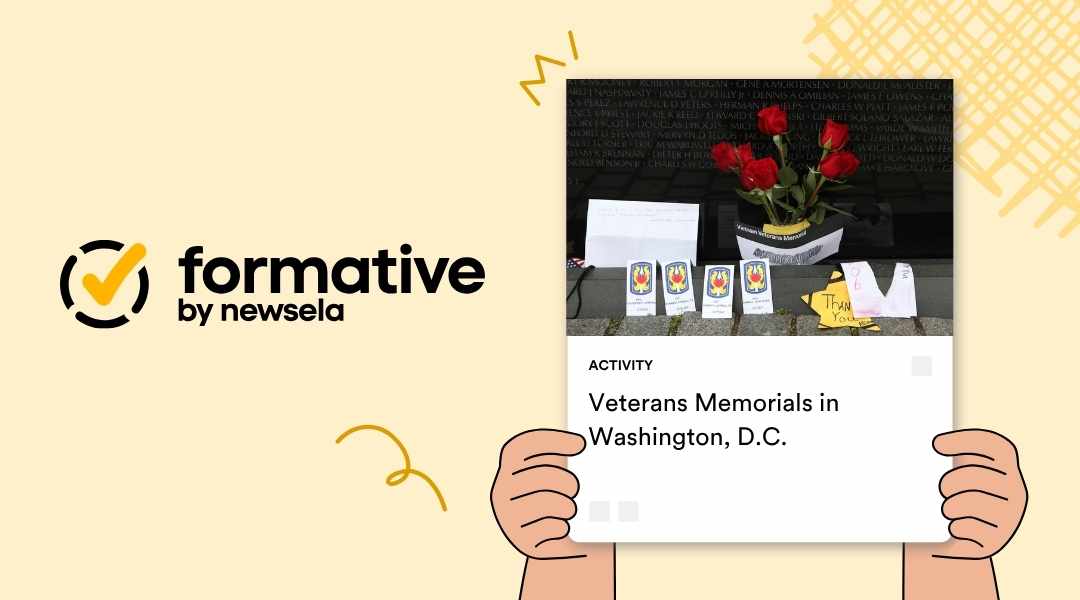
Students can see how our nation chooses to remember its service members and its fallen soldiers. Memorials show values, emotions, and history, and also push students to interpret meaning.
Our “Veterans Memorials in Washington, D.C.” activity guides students through major sites in the area, like the Vietnam Veterans Memorial. Students examine the design, symbols, and purpose of the memorials to understand the larger story they’re trying to tell.
Key takeaways:
Memorial Day isn’t just about the events of war or battle. It’s also about how people responded to them. Speeches help students hear those voices directly. When they work with primary sources, students are more likely to read carefully, ask better questions, and make stronger connections.
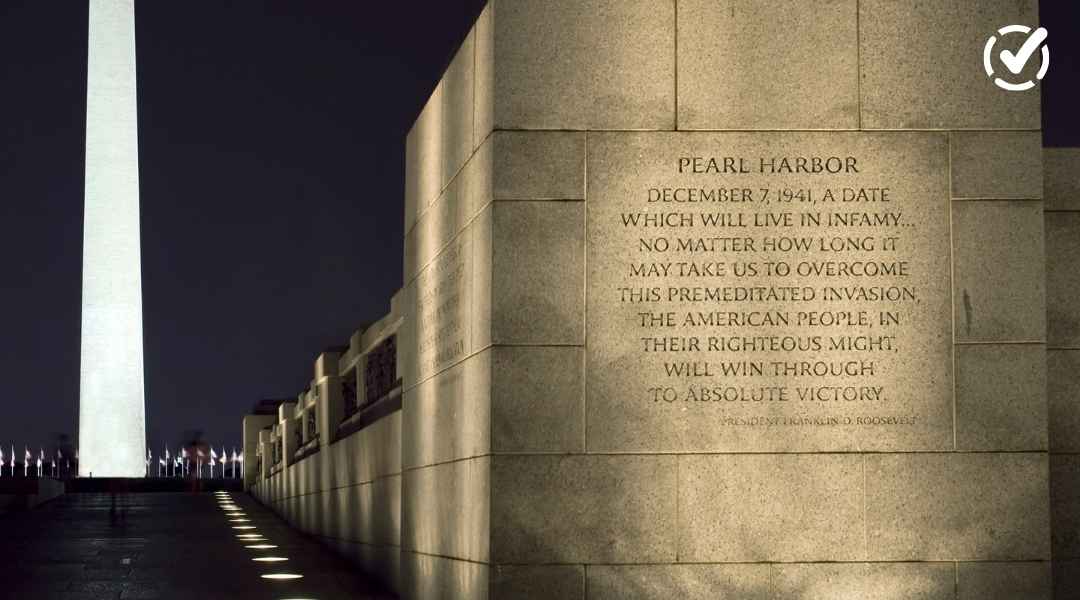
This speech showed how the nation responded to a horrific battle in real time. They can hear (or read) the urgency, loss, and call to act in the moment. That immediacy helps students connect Memorial Day to real decisions and real consequences.
With our Formative lesson, students can read FDR’s Pearl Harbor Address and walk through the speech step by step. They’ll read closely and respond as they go. It’s a strong way to connect a historic moment to the meaning behind Memorial Day.

This speech pushes students to think about who serves and why it matters. Douglass isn’t just talking about war, but about opportunity, equality, and what service means in a larger context. This perspective can add depth to Memorial Day conversations.
With our activity, students can read Douglass’ speech and respond using evidence from the text. As students analyze Frederick Douglass’ message during the American Civil War, you can bring the conversation into the present around service, citizenship, and inclusion.
With the right structure, you can build understanding and support discussion with Memorial Day activities while still keeping things manageable during this busy time in the school year.
Formative helps you do that quickly. You can assign ready-made lessons from the Formative Library, adjust questions, and see student thinking as it happens. That makes it easier to step in, clarify, and keep learning moving.
For speeches and primary sources, you’ll get even more value by pairing them with Newsela Social Studies. You can give students access to full-text materials at multiple reading levels, which helps you support different learners without creating separate materials.
Don’t have a Formative account yet? Sign up for Formative Free today and start creating activities for Memorial Day and beyond!