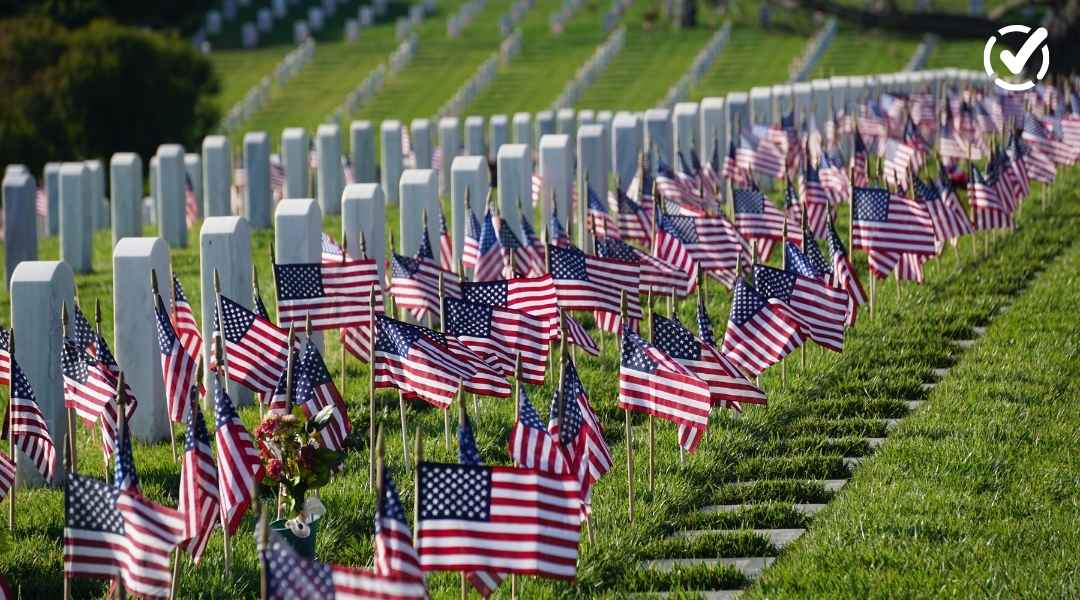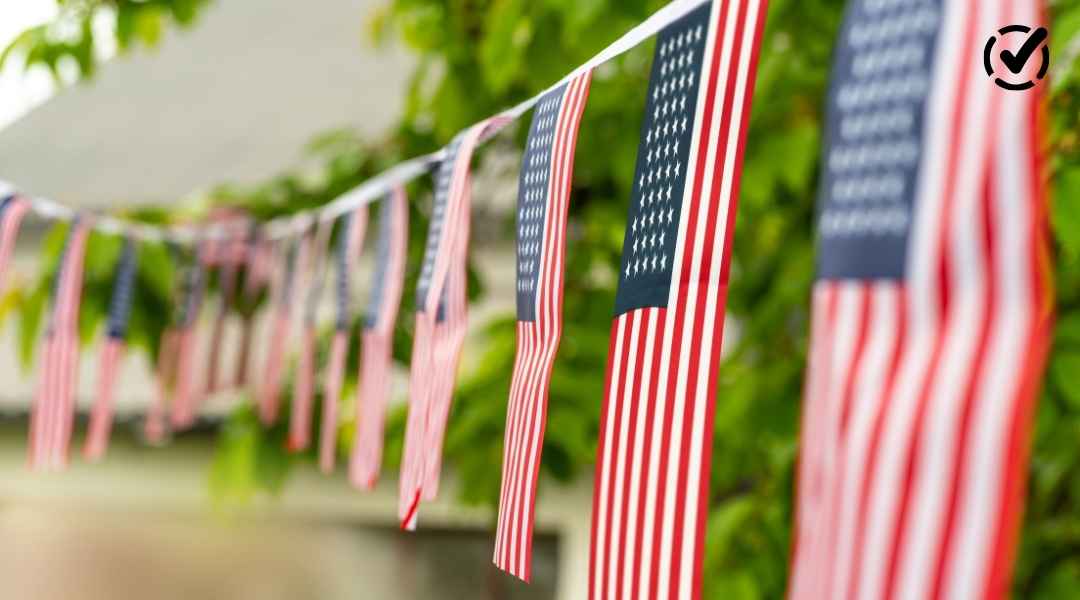
Veterans Day in the classroom can go beyond a quick holiday mention. You can help students understand why the day exists, how Americans recognize military service, and how veterans’ experiences have changed across history.
These Formative activities give you several ways to approach the topics, from an elementary introduction and argumentative writing to military branch history and primary sources.
Veterans Day lessons can start with the basics of the holiday, then move into bigger questions about remembrance and what happens after military service. These activities let students examine why Veterans Day matters, how memorials preserve history, and how veterans’ recognition and benefits have changed over time.
Veterans Day honors people who have served in the U.S. military. Use the “Understanding Veterans Day” activity to introduce elementary students to the holiday’s traditions, significance, and veterans' contributions. The activity gives students the background they need to understand why we observe Veterans Day and how they can recognize and honor veterans in their own communities.
Veterans Day matters because it recognizes military service and gives us a reason to think about how that service affects individuals, families, and our country. In the “Veterans Day Argumentative Writing” activity, students examine articles and veterans’ personal stories before taking a position on the holiday’s importance.
They can then turn that evidence into a clear thesis statement, making the activity a way to connect Veterans Day content with argumentative writing practice you’re already doing.
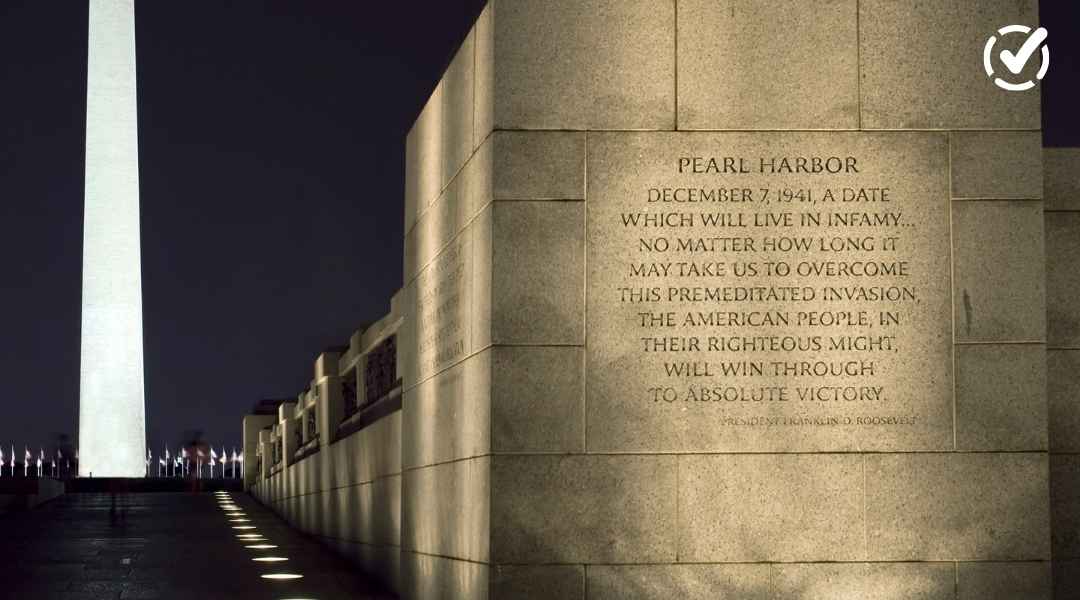
Studying veterans’ memorials can help students see how the United States uses public spaces, symbols, and design to remember military service and sacrifice. With the “Veterans Memorials in Washington, D.C.” quiz, they’ll examine the history, significance, and symbolism of several major memorials.
Veterans’ experiences after military service haven’t been the same across every era. In the “Veterans After War: Benefits, Limits, and Recognition” activity, students compare how the U.S. government expanded or limited benefits and how public attitudes shaped veterans’ recognition.
The comparison helps students look beyond the holiday itself and consider how policy and public response affected veterans during different periods, including the Vietnam era and the years after 9/11.
The U.S. military branches were created at different points in American history to serve different needs. These activities let students examine origins, major milestones, traditions, and civic roles while connecting each branch to the larger story of military service.
The U.S. Marine Corps grew from an early supporting role in American military history into a branch of its own. The “Semper Fi: History of the U.S. Marine Corps” mini lesson asks students to identify key facts and place major events from the branch’s history in chronological order.
They can also connect Marine Corps history to broader ideas in U.S. history and government, so the activity goes beyond memorizing dates.
The U.S. Navy was founded during the American Revolution to meet the colonies’ growing need for naval defense and military support at sea. In the “U.S. Navy Birthday Mini-Check” activity, students explain why the Navy was established, then connect those early naval needs to the Navy’s modern mission and goals.
The U.S. Army has changed alongside the country, but its history still connects back to its origins, major turning points, traditions, and civic role. In the “This We’ll Defend: History of the U.S. Army” quiz, students trace those developments through key moments in Army history. They’ll also consider how the Army’s traditions and responsibilities fit into the broader story of U.S. history and government.
The U.S. Air Force developed from earlier military aviation programs before becoming a separate branch of the armed forces. In the “Wings Over History: Understanding the U.S. Air Force” quiz, students examine the branch’s origins, major timeline events, symbols, and traditions.
The U.S. Coast Guard has a long history of combining military and public service. In the “Semper Paratus: History of the U.S. Coast Guard” activity, students examine when and why the branch was created and place key events in historical context. They’ll also look at Coast Guard symbols and traditions while considering how the branch’s civic purpose connects to its role in serving the public.
The U.S. Space Force grew out of earlier American military efforts in space before becoming its own branch. In the “From Sputnik to Space Force: Milestones” activity, students trace U.S. space history and examine how the branch developed. They can also connect that history to the civic principle of civilian oversight of the military.
Primary sources and historical scenarios can help students look at military service through individual experiences and decisions. These activities move beyond branch history to examine soldiers’ voices, wartime leadership, and contributions that shaped major moments in U.S. history.
A primary source letter can show students details of wartime experience that a textbook summary may leave out. In this activity, students examine a letter from Jonathan George Symons to his friend Bert while serving in the County of London Regiment, King’s Royal Rifle Corps during World War I. They can use it to consider what one soldier’s words reveal about the broader military life of that era.
Black soldiers’ Civil War letters give students firsthand accounts of military service, freedom, and the experiences of men who served. In this activity, they’ll compare letters from Samuel Cabble, Morgan W. Carter, and Spotswood Rice.
Comparing the three accounts lets students look for similarities and differences in the soldiers’ experiences while considering how Black soldiers contributed to the fight for freedom.
Military airlift decisions during the Korean War could require crews to weigh mission urgency against weather, aircraft readiness, communication, and safety. In the “Airlift Under Pressure: Decision-Making in Korea, 1951” scenario activity, students take the role of a newly appointed U.S. Air Force crew chief facing those competing demands.
Rather than searching for the “right” answer, students have to recommend a plan and justify how they balanced leadership, teamwork, service, and risk in the historical situation.
Navajo Code Talkers played an important role in U.S. military communications during World War II. In the “Breaking the Code: The Navajo Code Talkers in World War II” activity, students examine what the program did, why the code was effective, and why the Code Talkers’ contributions matter in U.S. history.
The activity also helps students connect military service with language, communications, and the contributions of Navajo service members during the war.
Veterans Day lessons can give students more than a basic overview of the holiday. With the right mix of historical context, primary sources, military history, writing, and decision-making activities, students can examine what service has meant across different periods of U.S. history.
Formative makes it easier to turn those topics into interactive lessons, checks for understanding, and opportunities for students to explain their thinking. You can use these activities as is, or adapt them to fit the grade level, pacing, and focus of your Veterans Day lesson plans.